
Archives
-
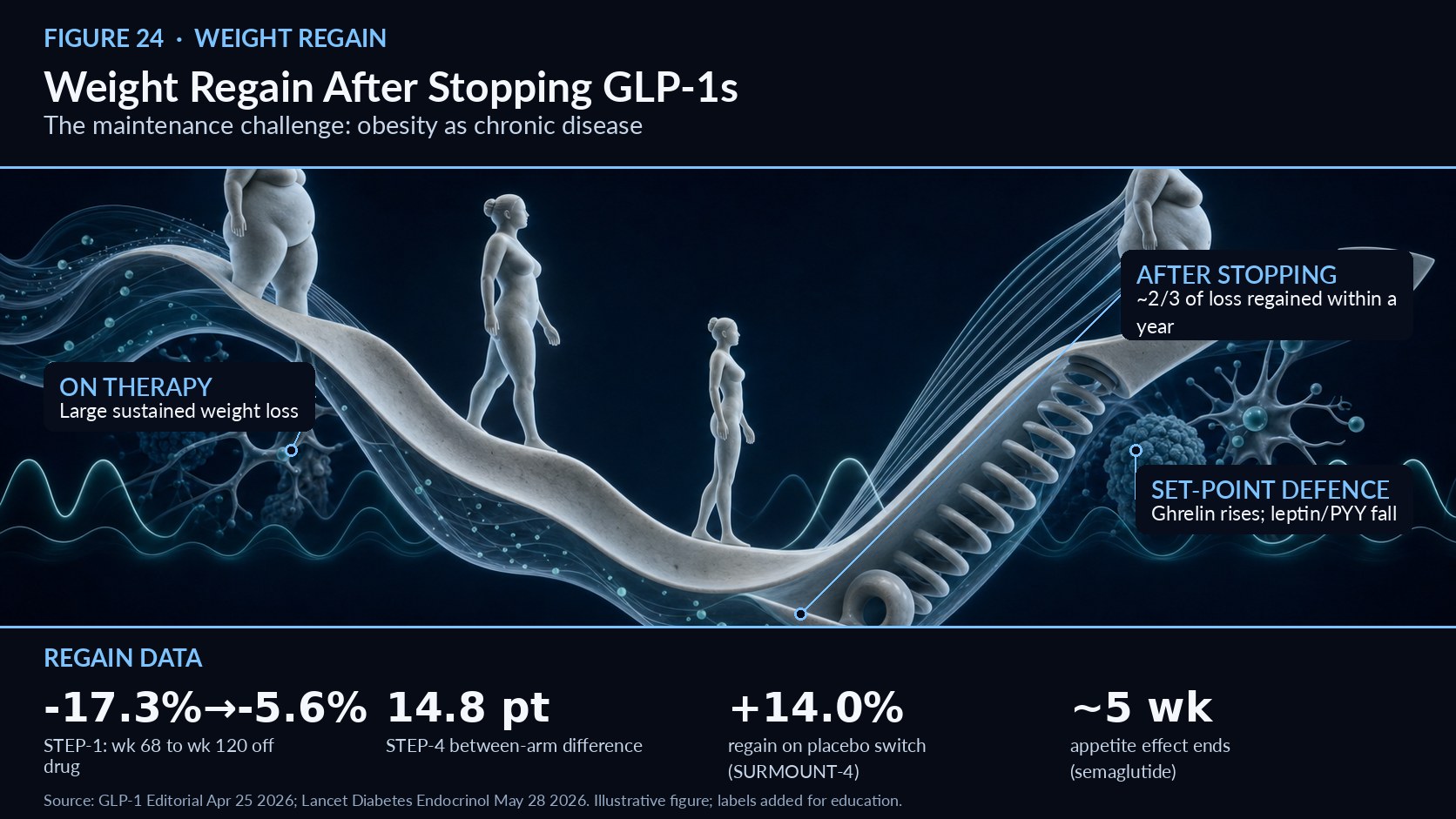
Weight Regain After Stopping GLP-1s Why obesity pharmacotherapy is long-term, disease-modifying treatment
Vol. 4 No. 24 (2026)Description
Evidence from STEP‑1, STEP‑4, and SURMOUNT‑4 shows that stopping GLP‑1 or multiagonist therapy commonly causes substantial weight regain and reversal of cardiometabolic gains. In STEP‑1’s extension, semaglutide participants lost −17.3% at week 68 but lost only −5.6% at week 120 after discontinuation, recouping roughly two‑thirds of lost weight within a year. STEP‑4 and SURMOUNT‑4 provide controlled confirmation: continued therapy produced further loss while placebo‑switch arms rapidly regained weight (between‑arm differences ~14.8 percentage points and 19.5 percentage points, respectively). Metabolic markers—waist circumference, blood pressure, HbA1c, lipids—reverted alongside weight. Mechanistically, appetite returns within weeks, and adaptive thermogenesis plus hormonal shifts (↑ghrelin, ↓leptin/PYY) defend a higher set point, making relapse biological rather than behavioural. These findings support framing obesity pharmacotherapy as a long‑term, disease‑modifying treatment that requires planning for sustained use, monitoring for safety, and realistic patient counselling—especially where cost and access constrain continuous therapy.
-
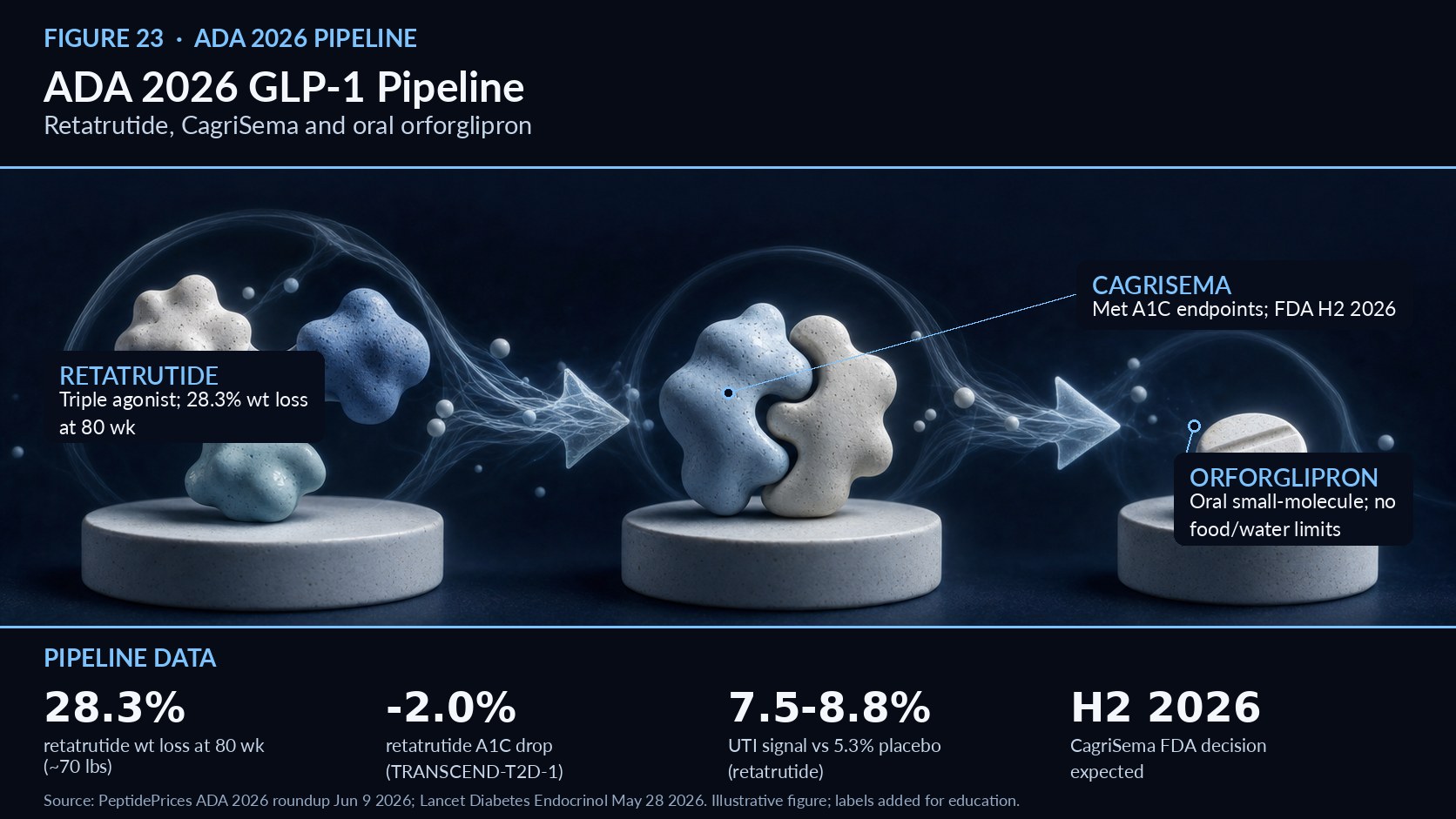
ADA 2026 GLP-1 Pipeline: Retatrutide, CagriSema, Orforglipron The next wave of incretin therapies unveiled in New Orleans
Vol. 4 No. 23 (2026)Description
At ADA 2026, the GLP‑1 pipeline took center stage, showcasing next‑generation incretin therapies with transformative efficacy and new formulations. Retatrutide, a once‑weekly GLP‑1/GIP/glucagon triple agonist, achieved headline TRIUMPH‑1 results: mean weight loss of 28.3% at 80 weeks and 45.3% of top‑dose participants losing ≥30%, approaching bariatric ranges; glycaemic reductions in TRANSCEND‑T2D‑1 reached A1C falls of up to 2.0%. A new safety signal—higher urinary tract infection rates—was noted. CagriSema (cagrilintide+semaglutide) met A1C and weight endpoints across REIMAGINE trials and is under regulatory review. Orforglipron, an oral small‑molecule GLP‑1, promises easier administration and improved access. Collectively, these agents raise the efficacy ceiling for pharmacologic obesity treatment and signal broader therapeutic options for CKM practice. However, emerging safety signals with potent multiagonists underscore the need for vigilant post‑marketing surveillance as approvals expand real‑world use.
-
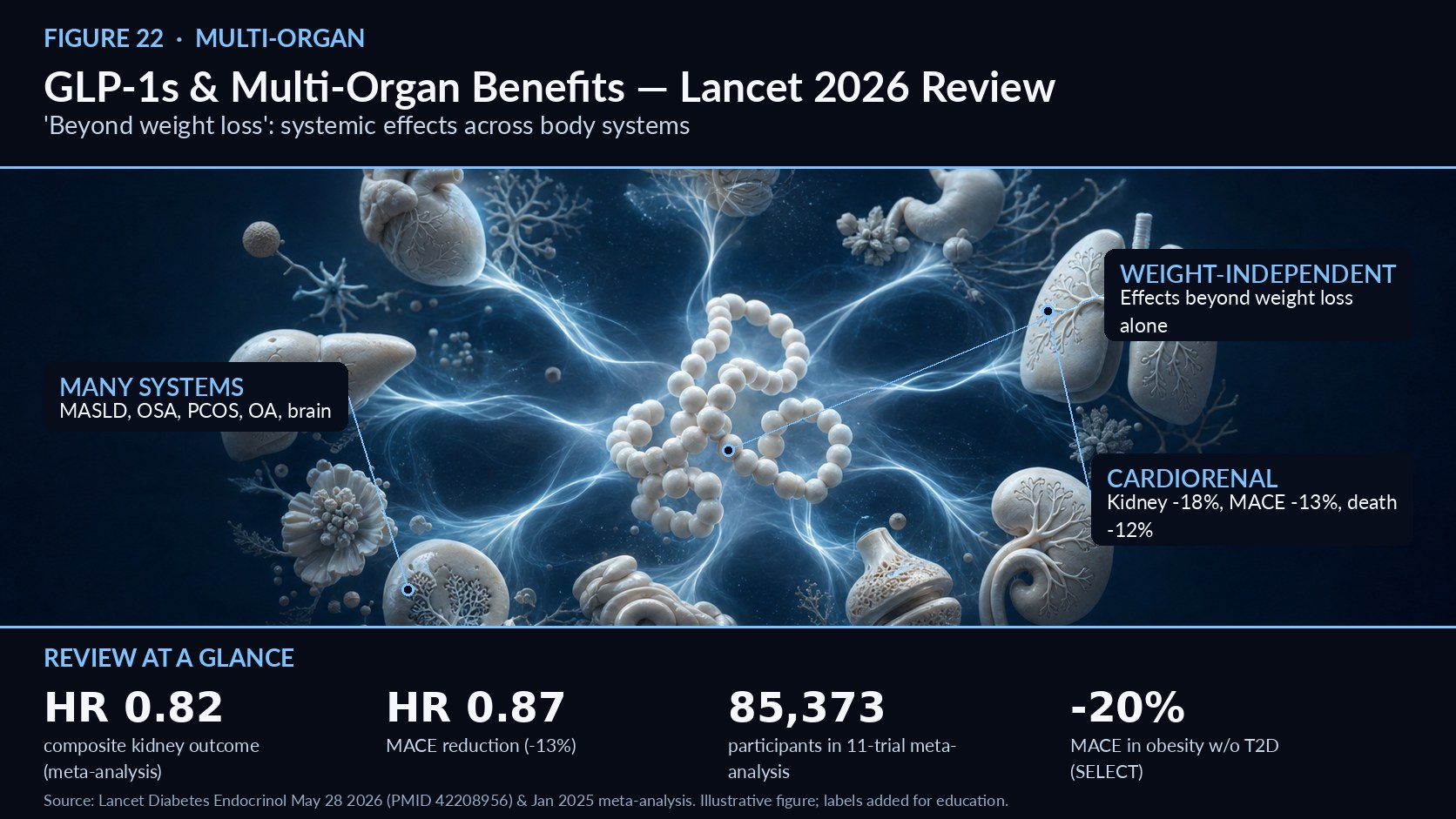
GLP-1s and Multi-Organ Benefits: The Lancet 2026 Review Synthesising weight-loss-independent effects across ten organ systems
Vol. 4 No. 22 (2026)Description
The May 2026 Lancet Diabetes & Endocrinology review by Savas et al. synthesises evidence that obesity medications—particularly GLP‑1 receptor agonists and novel multiagonists—provide broad, clinically meaningful benefits beyond weight loss. Drawing on randomised trials and meta-analyses, the review examines effects across ten organ systems including type 2 diabetes, MASLD, chronic kidney disease, heart failure, cardiovascular disease, obstructive sleep apnoea, PCOS, osteoarthritis, muscle mass, depression, and neurodegeneration. Complementary pooled analyses show GLP‑1 RAs reduce composite kidney outcomes (HR 0.82), major adverse cardiovascular events (HR 0.87), and all‑cause mortality (HR 0.88). Crucially, the authors emphasise accumulating evidence for weight‑loss‑independent mechanisms—direct anti‑inflammatory, renal, and myocardial actions—that explain benefits observed even in non‑diabetic populations (eg, SELECT). The review provides mechanistic and trial-based support for reframing GLP‑1 and multiagonist therapies as systemic disease‑modifying agents, aligning with recent CKM guideline endorsements that integrate metabolic, cardiac, and renal care.
-
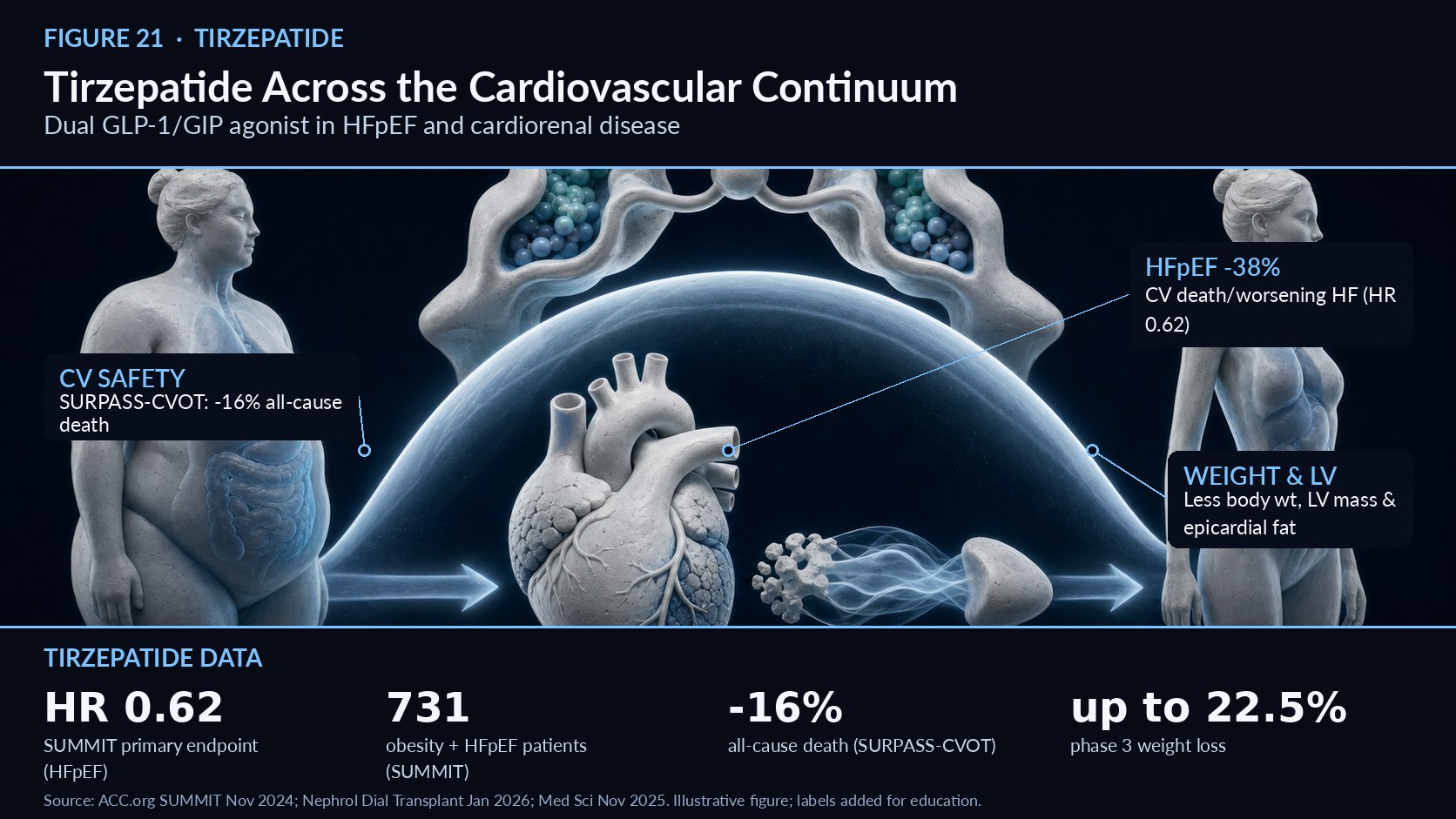
Tirzepatide Across the Cardiovascular Continuum From HFpEF to cardiorenal protection with a dual GLP-1/GIP agonist
Vol. 4 No. 21 (2026)Description
Tirzepatide, a dual GLP‑1/GIP receptor agonist, is emerging as a disease-modifying therapy across the cardiovascular continuum, especially in obesity-related HFpEF and broader CKM disease. In the SUMMIT trial, 731 patients with obesity and HFpEF were randomized to tirzepatide or placebo; the drug reduced cardiovascular death or worsening heart-failure events by 38% and improved symptoms, exercise capacity, and health status over about two years. It also produced substantial weight loss, reduced inflammation, and was associated with favorable cardiac reverse-remodelling signals, including lower left-ventricular mass and paracardiac adipose tissue. SURPASS-CVOT further confirmed cardiovascular safety versus dulaglutide and showed a reduction in all-cause mortality. These findings support tirzepatide as more than a metabolic agent: it addresses weight, HFpEF symptoms, and hard cardiovascular outcomes. The 2026 CKM guideline reflects this shift by incorporating GLP‑1-based therapies, including dual agonists, for patients with obesity or other CKM risk factors, particularly when HFpEF is part of the clinical picture.
-
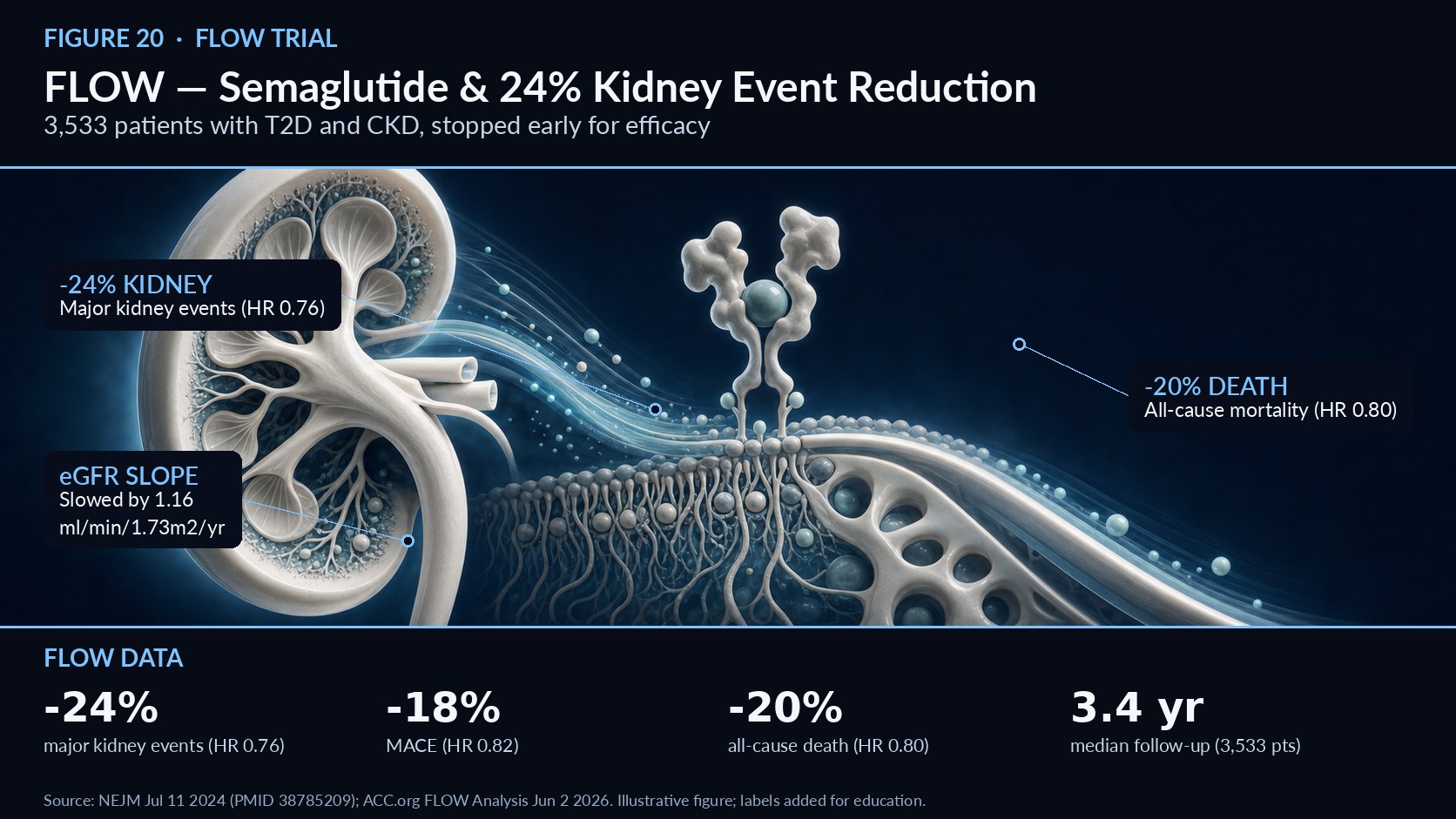
FLOW Trial: Semaglutide and 24% Fewer Kidney Events The first dedicated GLP-1 kidney-outcomes trial in type 2 diabetes and CKD
Vol. 4 No. 20 (2026)Description
The FLOW trial randomised 3,533 patients with type 2 diabetes and CKD to weekly semaglutide 1.0 mg or placebo and was stopped early for efficacy after a median 3.4 years.1 Semaglutide reduced the primary major‑kidney‑event outcome by 24% (331 vs 410 events; HR 0.76) and slowed the annual eGFR decline by 1.16 mL/min/1.73 m², indicating clinically meaningful preservation of renal function.1 Cardiovascular benefits accompanied renal protection: MACE fell by 18% (HR 0.82) and all‑cause mortality by 20% (HR 0.80), with fewer serious adverse events on semaglutide (49.6% vs 53.8%).1 Subgroup analyses show consistent kidney and mortality benefits across ASCVD, heart‑failure, and high‑risk strata.2 Numbers needed to treat over three years were low (eg, 13–22 depending on the subgroup), reinforcing clinical efficiency. FLOW— the first GLP‑1 trial powered for kidney outcomes—supports semaglutide as a compelling option for albuminuric CKD in type 2 diabetes and underpins guideline recommendations to add GLP‑1 therapy when albuminuria persists despite RAS blockade and SGLT2 inhibition.1 -
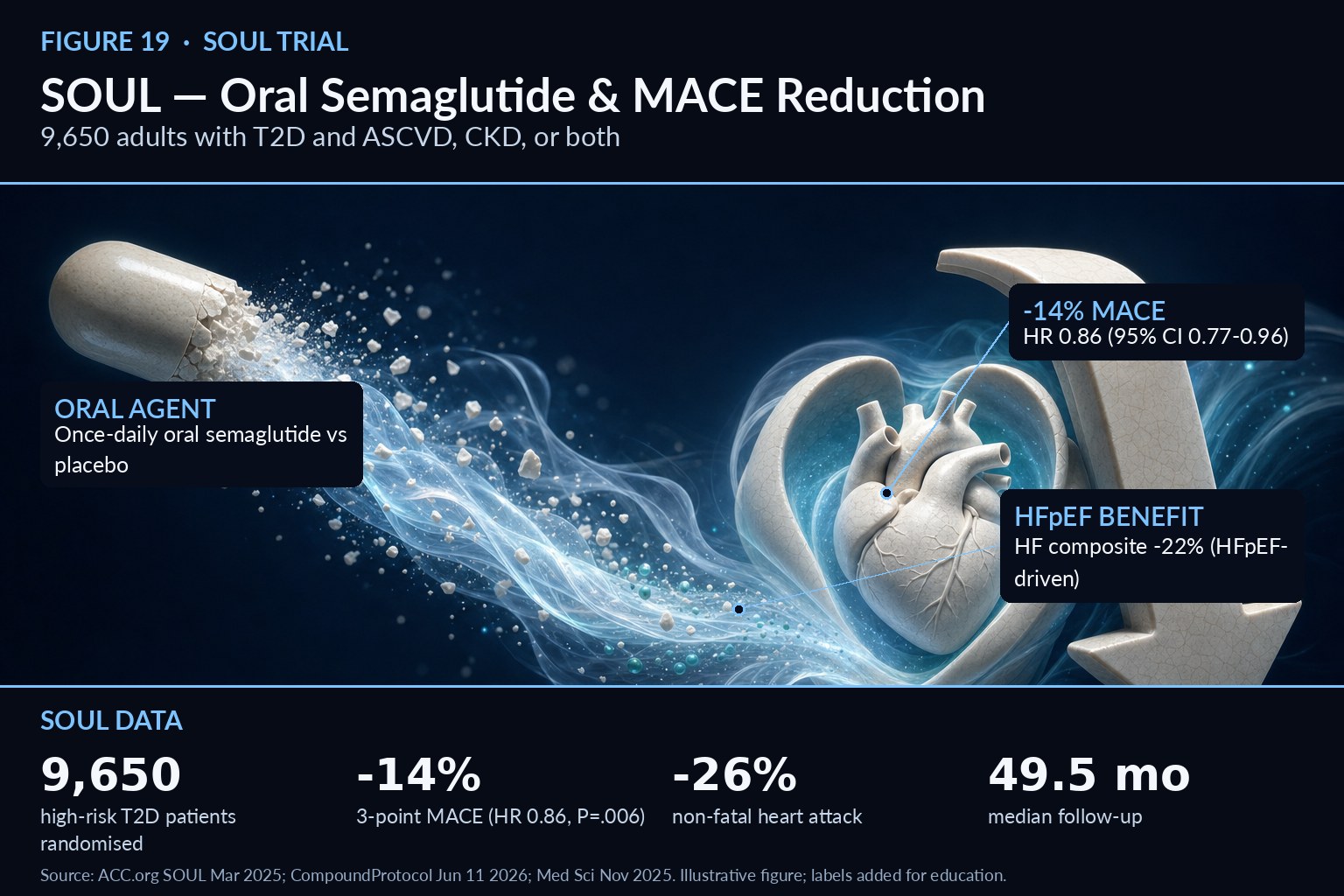
SOUL Trial: Oral Semaglutide and MACE Reduction Cardiovascular protection from an oral GLP-1 in high-risk type 2 diabetes
Vol. 4 No. 19 (2026)Description
The SOUL trial randomised 9,650 high‑risk adults with type 2 diabetes and ASCVD and/or CKD to oral semaglutide or placebo and showed a significant 14% relative reduction in three‑point MACE (12.0% vs 13.8%; HR 0.86) over a median 49.5 months.1 Secondary analyses highlighted a 26% reduction in nonfatal myocardial infarction and a 22% reduction in a heart‑failure composite among participants with pre‑existing HF, driven by benefit in HFpEF rather than HFrEF.2 The oral formulation expands access for needle‑averse patients and those facing cold‑chain barriers, while safety was reassuring, with no increase in serious adverse events. SOUL’s long follow‑up and CKM‑relevant enrolment criteria make its findings directly applicable to integrated cardiorenal‑metabolic care, supporting GLP‑1 therapy as a cardiovascular protective option in high‑risk type 2 diabetes. -
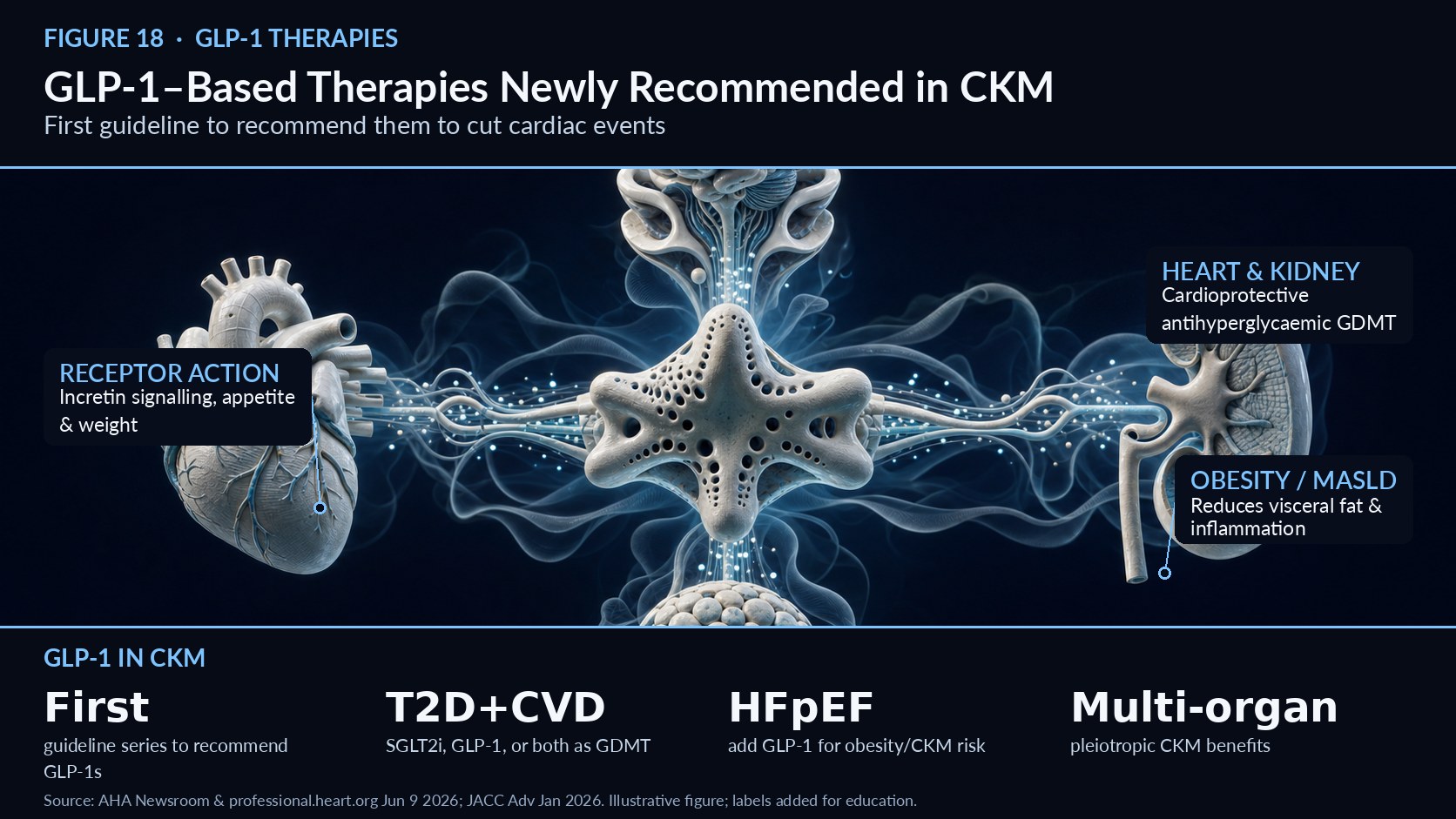
GLP-1 Therapies Enter the CKM Guideline For the first time, GLP-1-based therapy is recommended to reduce cardiac events
Vol. 4 No. 18 (2026)Description
The 2026 CKM guideline formally endorses GLP‑1–based therapies as cardioprotective agents for select people with obesity and/or type 2 diabetes who carry cardiovascular risk factors, marking a shift beyond glucose‑ and weight‑centric use. Recommendations favour a comorbidity‑guided approach—SGLT2 inhibitors, GLP‑1 therapy, or both—tailored to dominant conditions such as CKD with albuminuria, ASCVD, heart failure phenotypes, obesity, hyperglycaemia, or MASLD. For persistent albuminuria, a GLP‑1 agent or a nonsteroidal MRA may be added to RAS blockade plus SGLT2 inhibition; in HFpEF, GLP‑1 therapy is advised for patients with obesity or CKM risk features. Mechanistic and trial data support multi‑organ benefits via visceral fat reduction, anti‑inflammatory effects, and metabolic improvements that plausibly lower cardiovascular events. The guideline’s nuanced placement empowers individualized therapy selection to prioritise the patient’s principal comorbidity while recognising GLP‑1 drugs as deliberate tools to reduce hard cardiac and kidney outcomes within an integrated CKM treatment framework. -
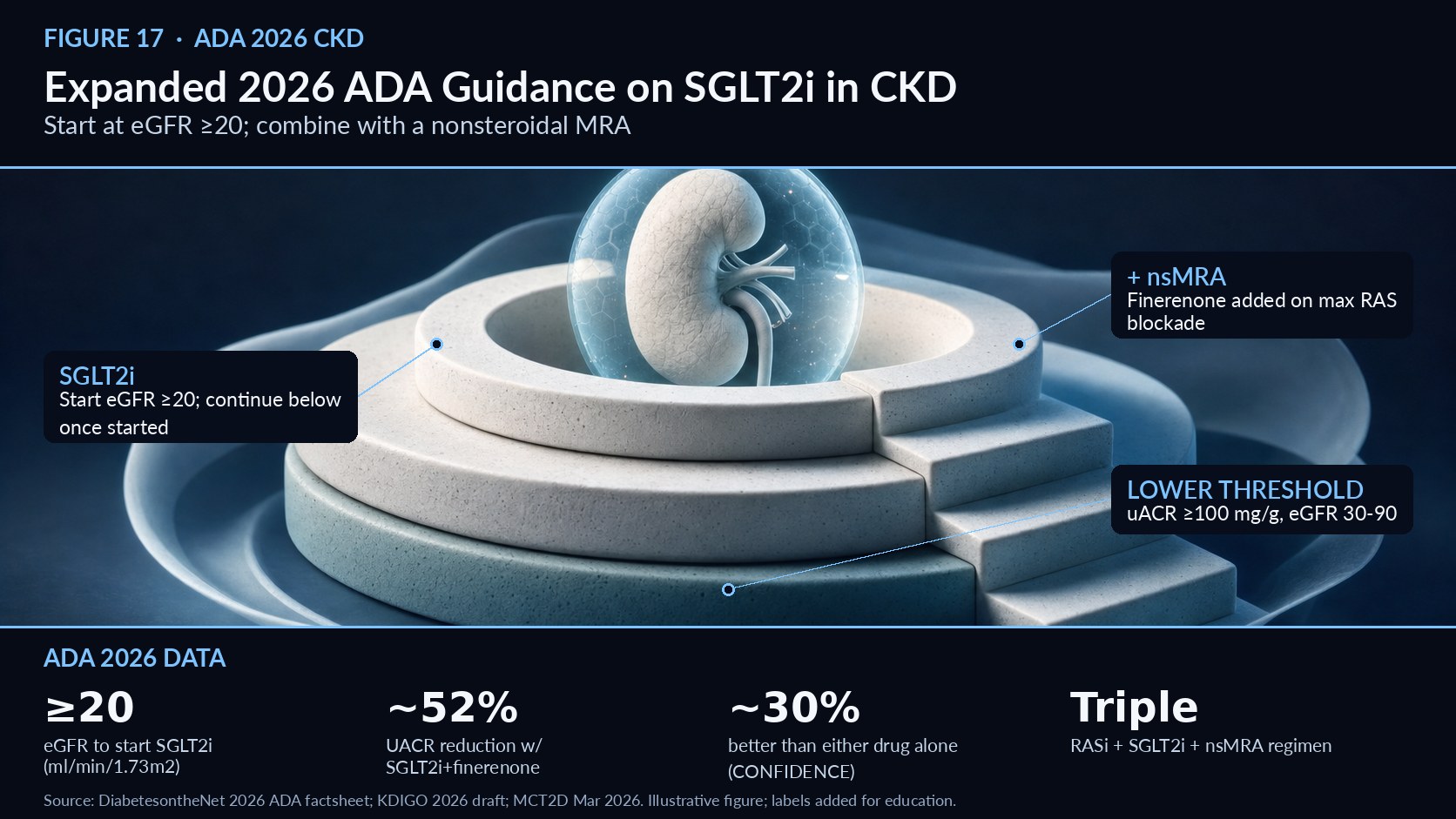
Expanded 2026 ADA Guidance on SGLT2i in CKD Starting at eGFR ≥20 and combining with a nonsteroidal MRA
Vol. 4 No. 17 (2026)Description
The 2026 ADA Standards refine SGLT2 inhibitor use in CKD: clinicians may initiate therapy at an eGFR ≥20 mL/min/1.73 m² and continue it as kidney function declines, and simultaneous initiation of an SGLT2 inhibitor plus the nonsteroidal MRA finerenone can be considered in adults with type 2 diabetes, UACR ≥100 mg/g, and eGFR 30–90 mL/min/1.73 m² on maximal RAS blockade. This proactive, front‑loaded strategy—supported by the CONFIDENCE study showing ~52% greater UACR reduction with the combination versus monotherapy—aims to maximize albuminuria reduction during high‑risk intervals and translate to long‑term nephroprotection. KDIGO draft guidance and CKM recommendations align with these thresholds, simplifying clinical decision‑making. Clinicians should still individualize care, monitor potassium and renal function, and consider drug interactions and tolerability, but the converging guidelines strengthen the case for early, combined renoprotective therapy in albuminuric type 2 diabetes. -
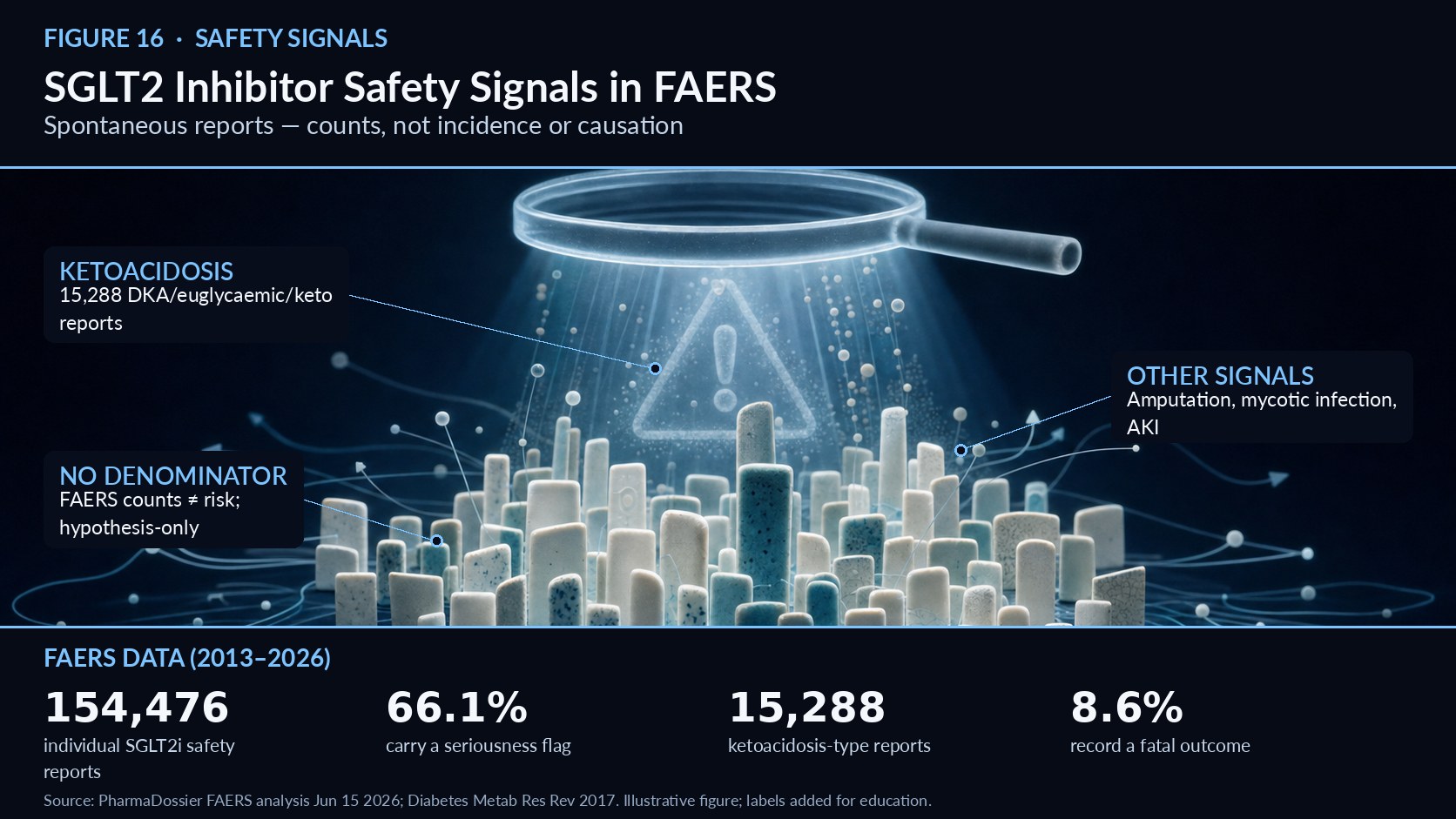
SGLT2 Inhibitor Safety Signals in FAERS Ketoacidosis and other adverse events across 154,476 spontaneous reports
Vol. 4 No. 16 (2026)Description
A June 2026 FAERS extract of 154,476 reports (2013–early 2026) highlights real‑world safety signals for SGLT2 inhibitors (empagliflozin, dapagliflozin, canagliflozin, ertugliflozin, bexagliflozin). Reports were frequently serious (66.1%) with 8.6% fatal outcomes, reflecting reporting bias toward severe events. Diabetic ketoacidosis was the dominant signal (15,288 reports), including 3,108 euglycaemic DKA cases—a particular clinical concern because normal glucose can delay recognition. Other notable signals included volume depletion/acute kidney injury (9,162), genital mycotic infections (5,385), lower‑limb amputation (4,819), and rare Fournier’s gangrene (630). Disproportionality analyses previously reported markedly higher acidosis reporting versus DPP‑4 inhibitors, reinforcing vigilance. FAERS counts do not represent incidence or prove causality but are valuable for risk mitigation. Clinical implications: continue using SGLT2 inhibitors for their proven cardiorenal benefits while implementing structured patient education, sick‑day guidance, perioperative holds, careful volume management, and a low threshold for ketone testing in unwell patients on SGLT2 therapy.
-
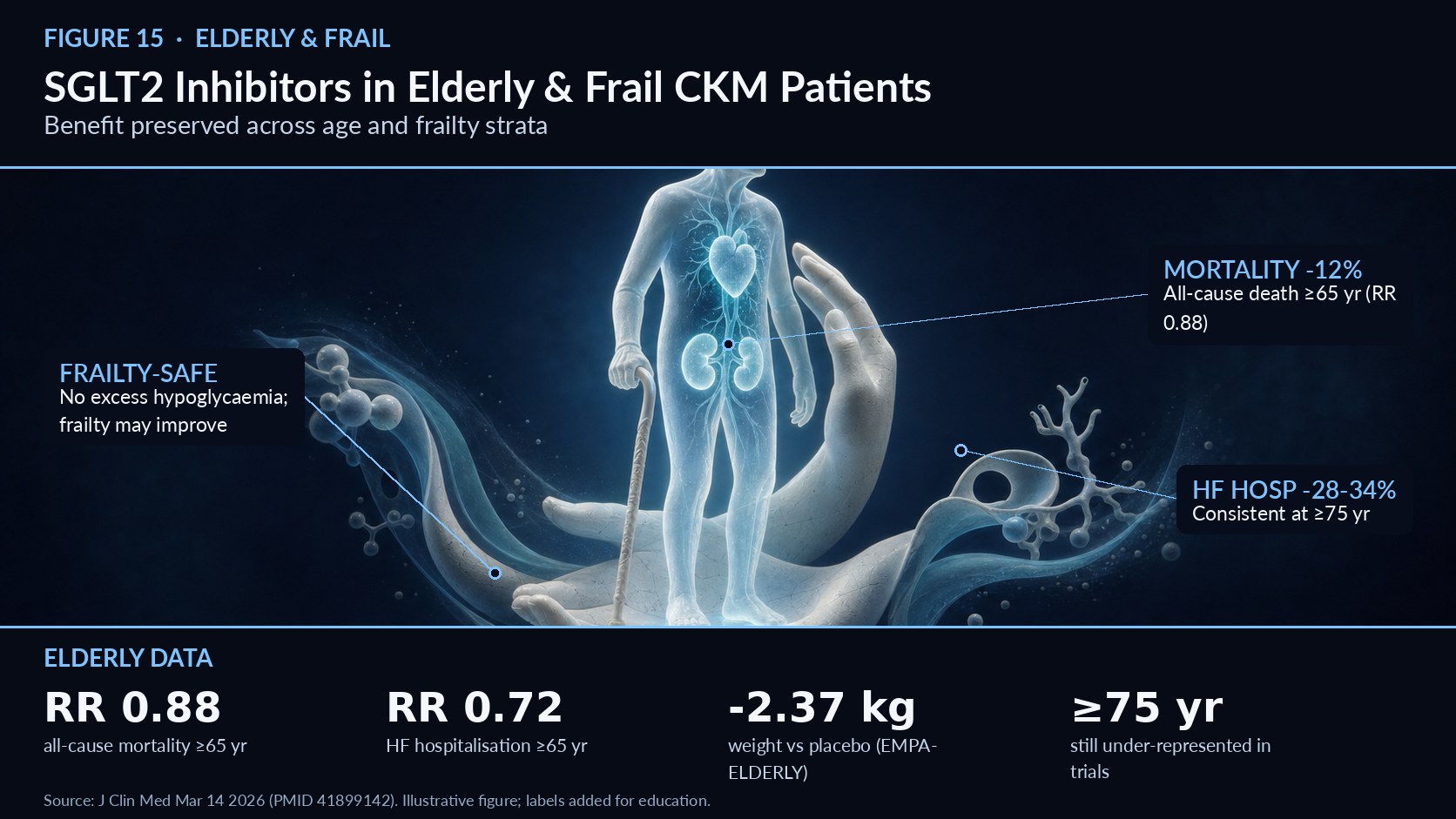
SGLT2 Inhibitors in Elderly and Frail CKM Patients Consistent benefit across age and frailty, with no excess hypoglycaemia
Vol. 4 No. 15 (2026)Description:
SGLT2 inhibitors remain effective and safe in older and frail CKM patients, challenging the common reluctance to prescribe them in these groups. In adults aged 65 years and older, they reduce all-cause mortality, cardiovascular death, heart-failure hospitalization, and major adverse cardiovascular events, with benefits persisting at age 75 and beyond. Importantly, the relative benefit does not diminish with age, and absolute risk reduction may be greater because baseline event rates are higher. Safety data are reassuring: there is no increase in hypoglycaemia, while albuminuria and acute kidney injury are reduced. Frailty does not blunt efficacy across major trials, and empagliflozin has even been associated with improvement in frailty status over follow-up. Although body composition changes and volume status still require attention, the overall balance favors treatment rather than avoidance. The practical message is clear: older age and frailty should prompt careful monitoring and individualized prescribing, not automatic withholding of a therapy that provides meaningful cardiorenal protection. -
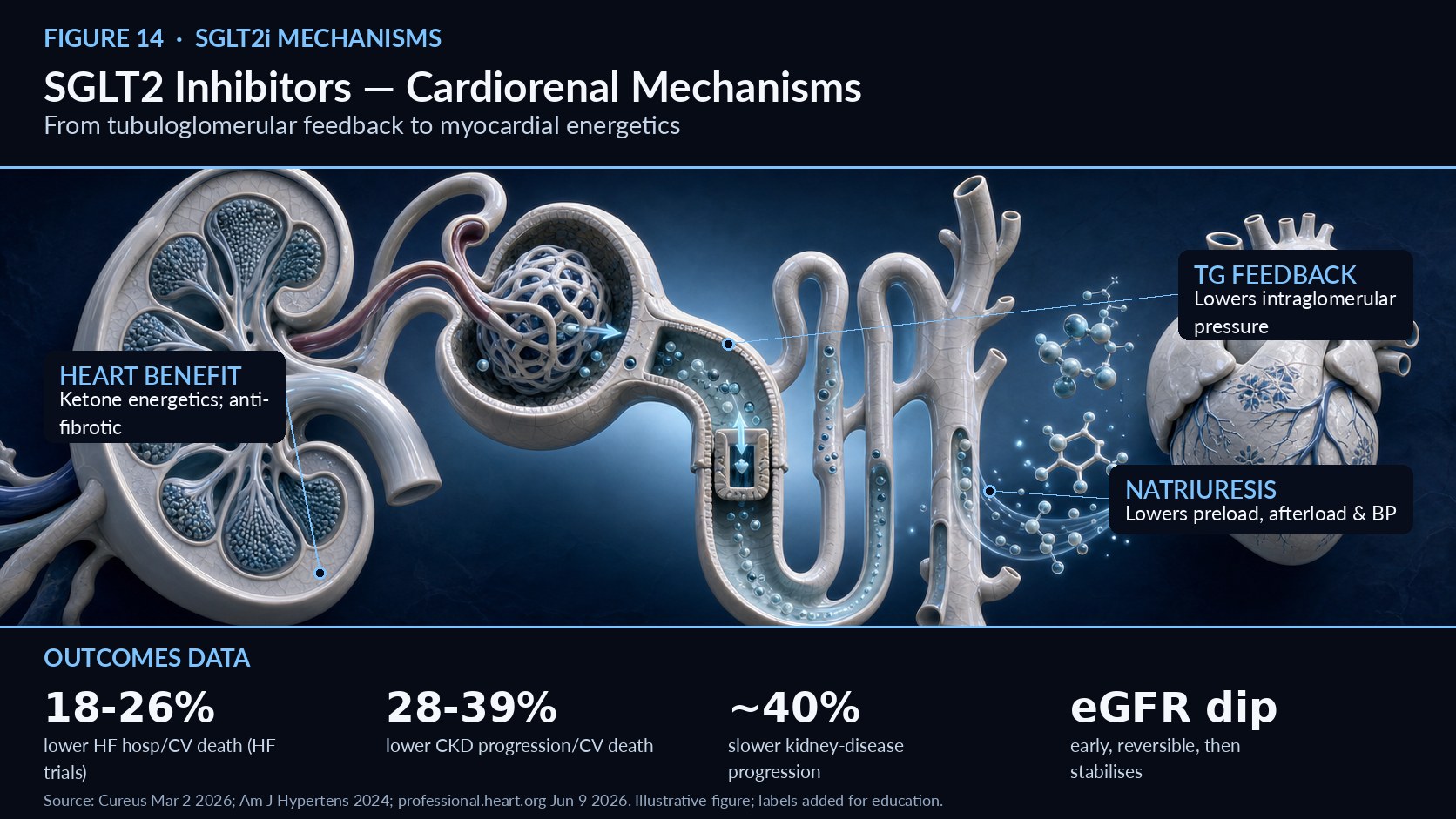
SGLT2 Inhibitors: Cardiorenal Mechanisms How a glucose-lowering drug became a foundational heart and kidney therapy
Vol. 4 No. 14 (2026)Description
SGLT2 inhibitors have evolved from glucose-lowering agents into foundational cardiorenal therapies because their benefits extend well beyond glycaemic control. In the kidney, they restore feedback by increasing sodium delivery to the macula densa, causing afferent arteriolar vasoconstriction, lowering intraglomerular pressure, and reducing hyperfiltration injury. This explains the early, modest eGFR dip after treatment initiation, a hemodynamic effect that stabilizes and is followed by slower long-term kidney decline. In the heart, natriuresis and osmotic diuresis reduce plasma volume, blood pressure, and ventricular filling pressures, while additional effects on myocardial energetics, inflammation, fibrosis, uric acid, and oxidative stress contribute to protection. Clinical trials confirm these mechanisms, showing consistent reductions in heart-failure hospitalization, cardiovascular death, and CKD progression, with benefits extending to patients with and without diabetes. The 2026 CKM guideline now places SGLT2 inhibitors at the center of guideline-directed therapy, including first-line use in HFmrEF and HFpEF, reflecting their dual heart and kidney protection. -
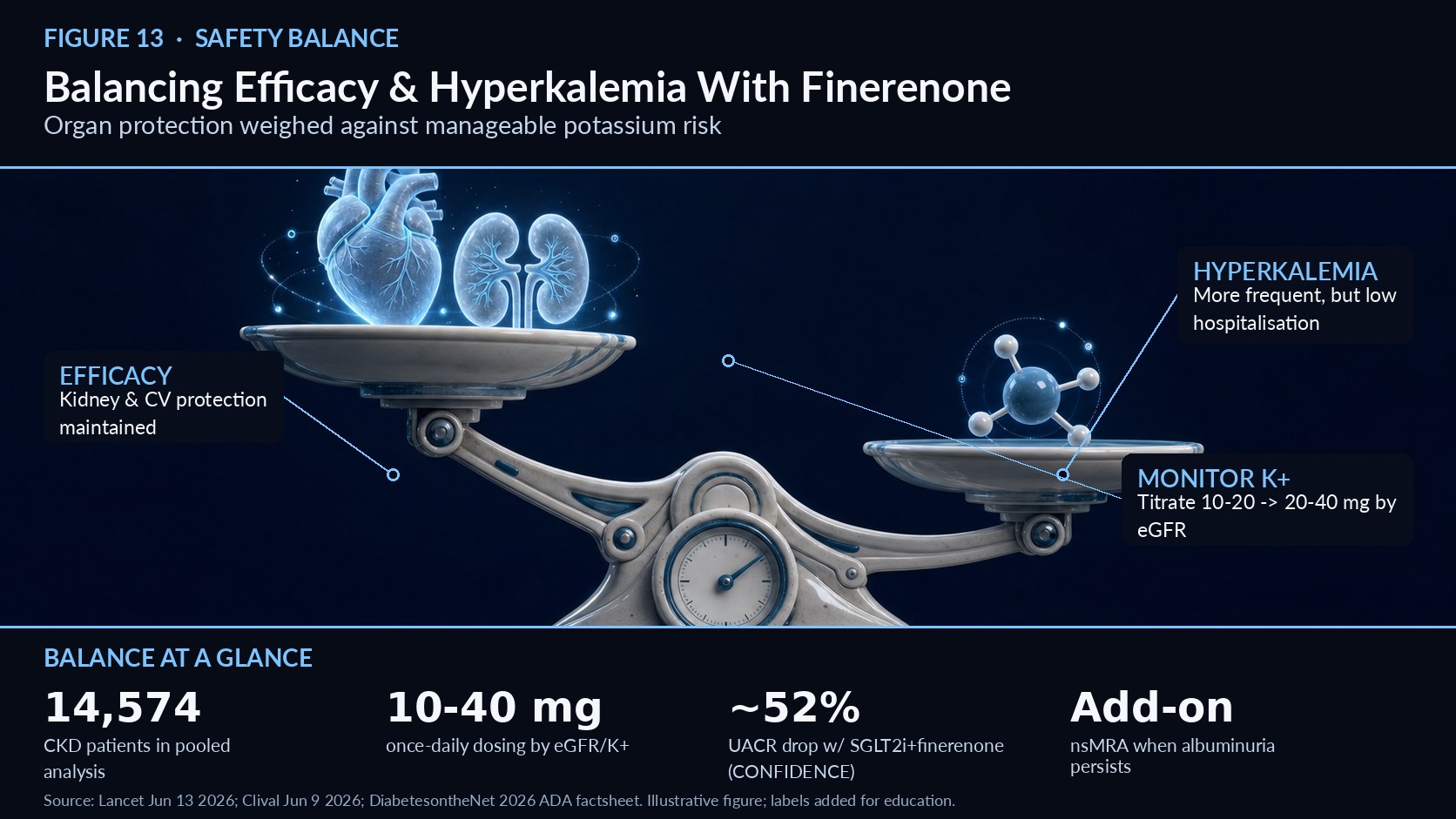
Balancing Finerenone Efficacy Against Hyperkalemia Getting organ protection while keeping potassium safe
Vol. 4 No. 13 (2026)Description
Finerenone’s main practical limitation is hyperkalaemia, but the 2026 evidence base shows that the risk is real, measurable, and manageable with structured monitoring. In the pooled CKD analysis, hyperkalaemia occurred more often with finerenone than placebo, yet hyperkalaemia leading to hospitalisation remained uncommon, supporting vigilance rather than avoidance. Trial-based dosing starts at 10–20 mg once daily and is titrated to 20–40 mg according to eGFR, with potassium checks before treatment, after each dose increase, and periodically thereafter to keep most patients in a safe range. INFINITY also reported a favourable safety profile across CKD populations, suggesting that safety is consistent rather than restricted to select subgroups. SGLT2 inhibitors are helpful partners because they preserve kidney function and may reduce hyperkalaemia risk, making co-therapy a practical way to improve tolerance to RAAS blockade and finerenone. With eGFR-guided dosing, scheduled potassium surveillance, and thoughtful sequencing, most CKM patients can receive finerenone’s kidney and cardiovascular benefit safely.pubmed.ncbi.nlm.nih+6
-
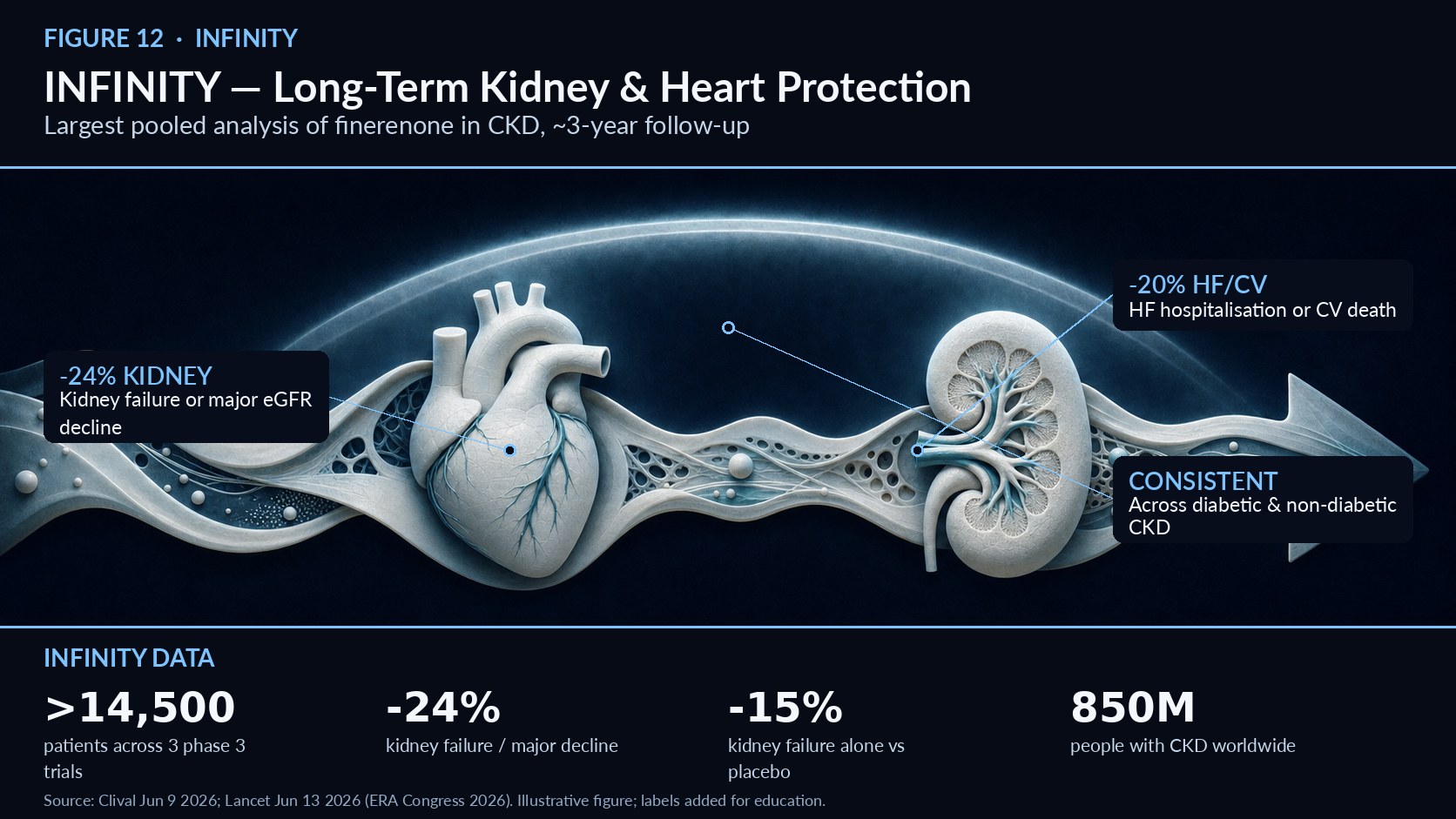
INFINITY: Long-Term Kidney and Heart Protection The largest pooled analysis of finerenone in chronic kidney disease
Vol. 4 No. 12 (2026)Description
INFINITY pooled participant‑level data from three phase‑3 finerenone trials (FIDELIO‑DKD, FIGARO‑DKD, FIND‑CKD), assembling over 14,500 patients with a median follow‑up of about three years to evaluate long‑term kidney and cardiovascular protection. Finerenone lowered the risk of kidney failure or major sustained eGFR decline by 24% and reduced kidney failure alone by 15% versus placebo, outcomes that translate into fewer patients progressing to dialysis or transplantation. Cardiovascular benefits paralleled renal protection: a 20% reduction in heart‑failure hospitalization or cardiovascular death, with accompanying decreases in all‑cause mortality and need for dialysis or transplant. Benefits were consistent across diabetic and non‑diabetic CKD, across a range of eGFR and albuminuria levels, and irrespective of SGLT2‑inhibitor use, supporting broad applicability as an add‑on to RAS and SGLT2 therapy when albuminuria persists. Presented at ERA Congress 2026 and published in The Lancet, INFINITY supplies large‑scale, long‑term evidence that finerenone delivers dual organ protection—directly informing guideline recommendations and clinical practice, including in high‑burden settings. -
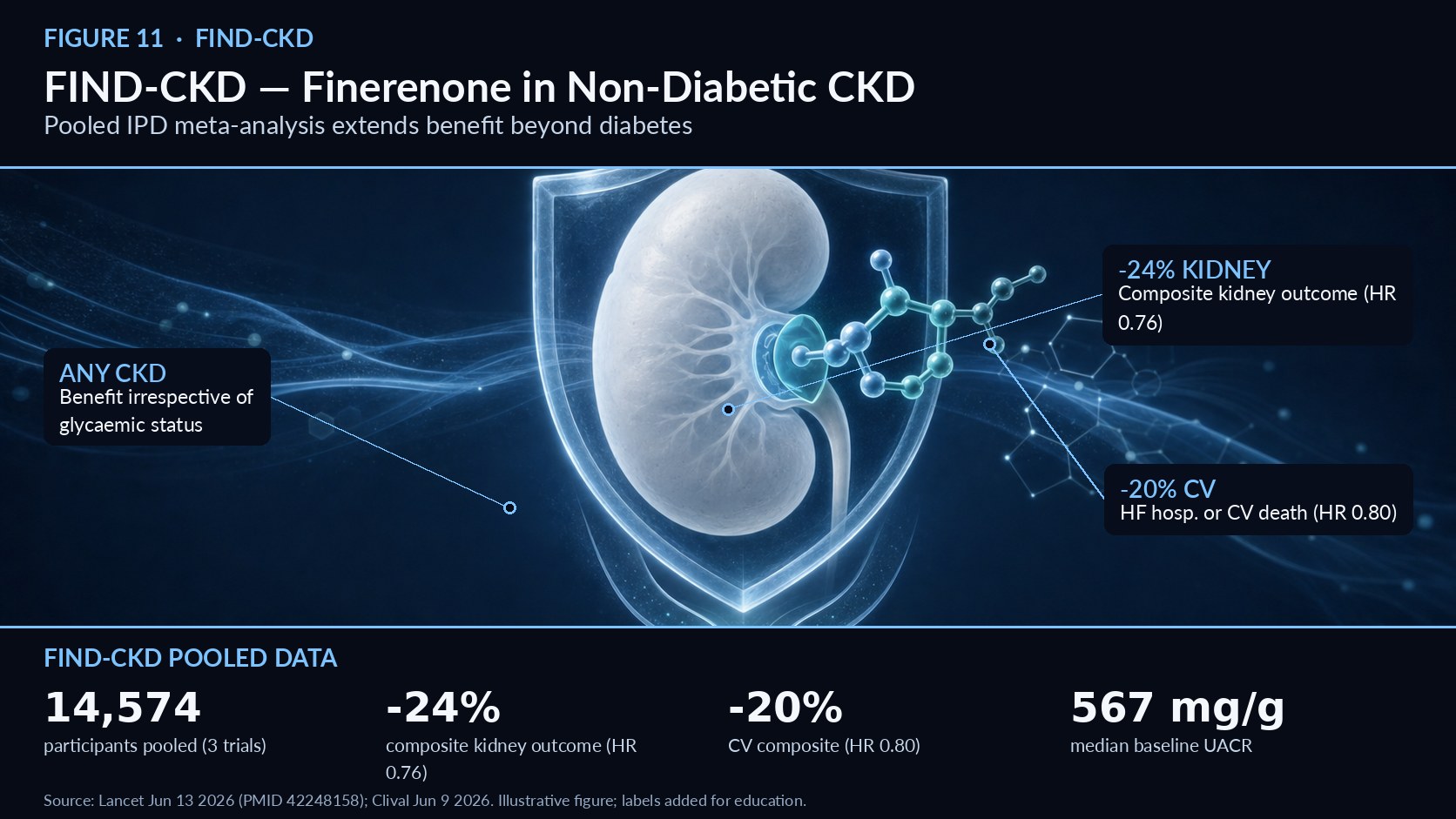
FIND-CKD: Finerenone in Non-Diabetic CKD Extending kidney and cardiovascular protection beyond diabetic kidney disease
Vol. 4 No. 11 (2026)Description
FIND‑CKD (NCT05047263) was a randomized, double‑blind, placebo‑controlled trial of finerenone in chronic kidney disease (September 2021–February 2026) that contributed to a participant‑level pooled analysis published in The Lancet. The pooled cohort (FIDELIO‑DKD, FIGARO‑DKD, FIND‑CKD) included 14,574 participants (mean age 63.7 years, 30.7% female, mean eGFR 56.4 mL/min/1.73 m², median UACR 567.4 mg/g) and specifically extends evidence for finerenone into non‑diabetic CKD. Finerenone reduced the composite kidney outcome (kidney failure or sustained ≥57% eGFR decline) by 24% (HR 0.76) and lowered the composite cardiovascular outcome (heart‑failure hospitalization or cardiovascular death) by 20% (HR 0.80); heart‑failure hospitalization and all‑cause death were also reduced. Importantly, kidney benefit was consistent irrespective of glycaemic status, CKD aetiology, baseline eGFR, albuminuria, and SGLT2‑inhibitor use—supporting finerenone for albuminuric non‑diabetic CKD when potassium monitoring is available. These results broaden finerenone’s evidence base and support guideline positioning of nonsteroidal MRAs as add‑on therapy for persistent albuminuria. -
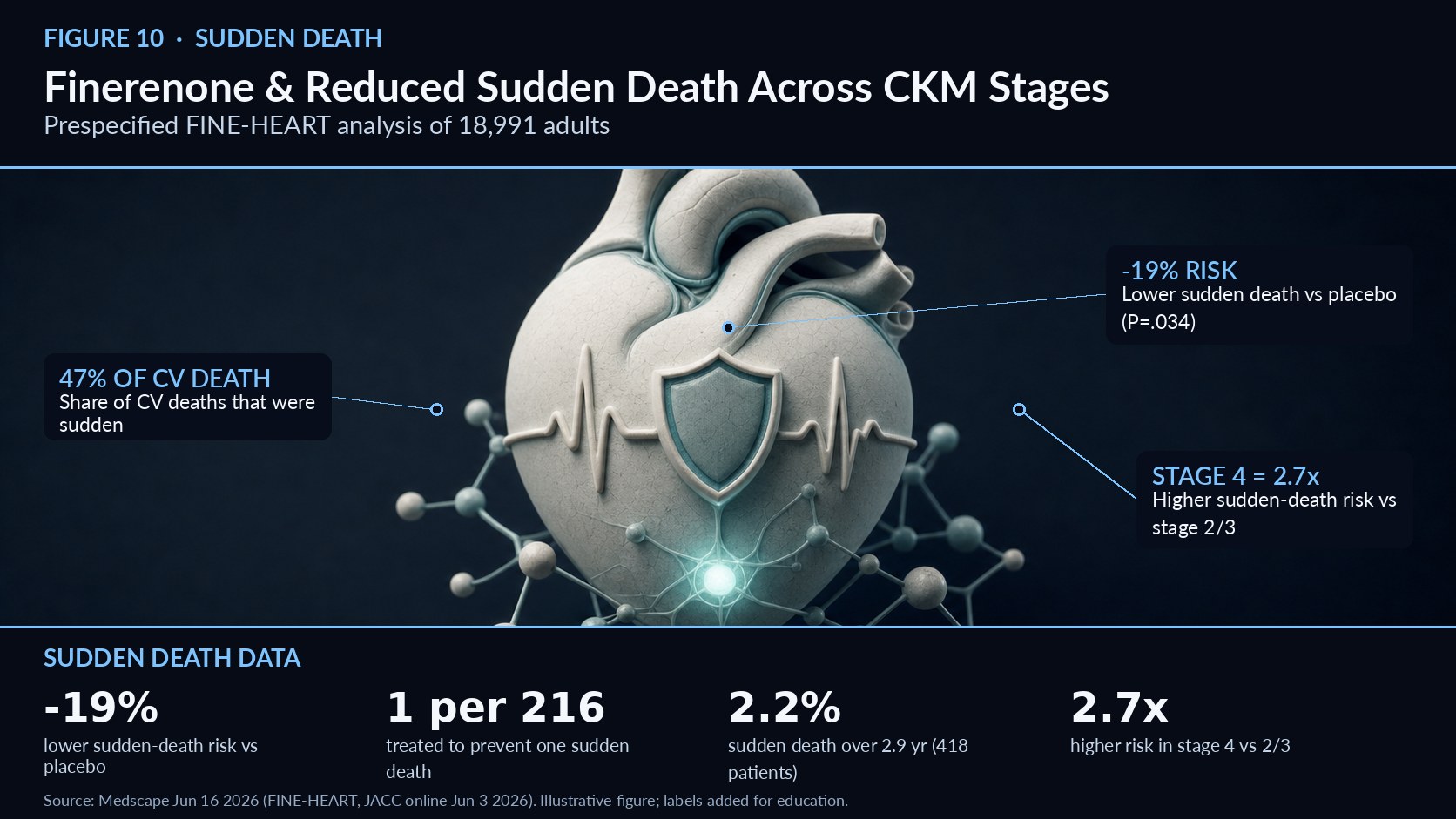
Finerenone and Reduced Sudden Death Across CKM Stages A prespecified FINE-HEART analysis of 18,991 adults published in JACC
Vol. 4 No. 10 (2026)Description
A prespecified FINE‑HEART analysis of 18,991 adults—published online in JACC—examined sudden death across CKM stages and found that finerenone reduced the risk of sudden death by 19% versus placebo over a median 2.9 years, preventing one sudden death per 216 patients treated. Sudden death accounted for 47% of cardiovascular deaths (418 events), highlighting a large arrhythmic component of mortality in CKM syndrome. Risk was strongly stage‑dependent: patients with CKM Stage 4 faced a 2.7‑fold higher sudden‑death risk than those in Stages 2–3. Readily available clinical predictors (older age, prior heart failure or myocardial infarction, atrial fibrillation, higher UACR, lower systolic blood pressure, and reduced eGFR) identified high‑risk individuals without new testing. Practical dosing in the trials started at 10–20 mg once daily, titrated by eGFR. The stage‑specific findings support targeting intensive monitoring and finerenone therapy to those most likely to benefit and add weight to guideline recommendations for finerenone in combined cardiorenal risk. -
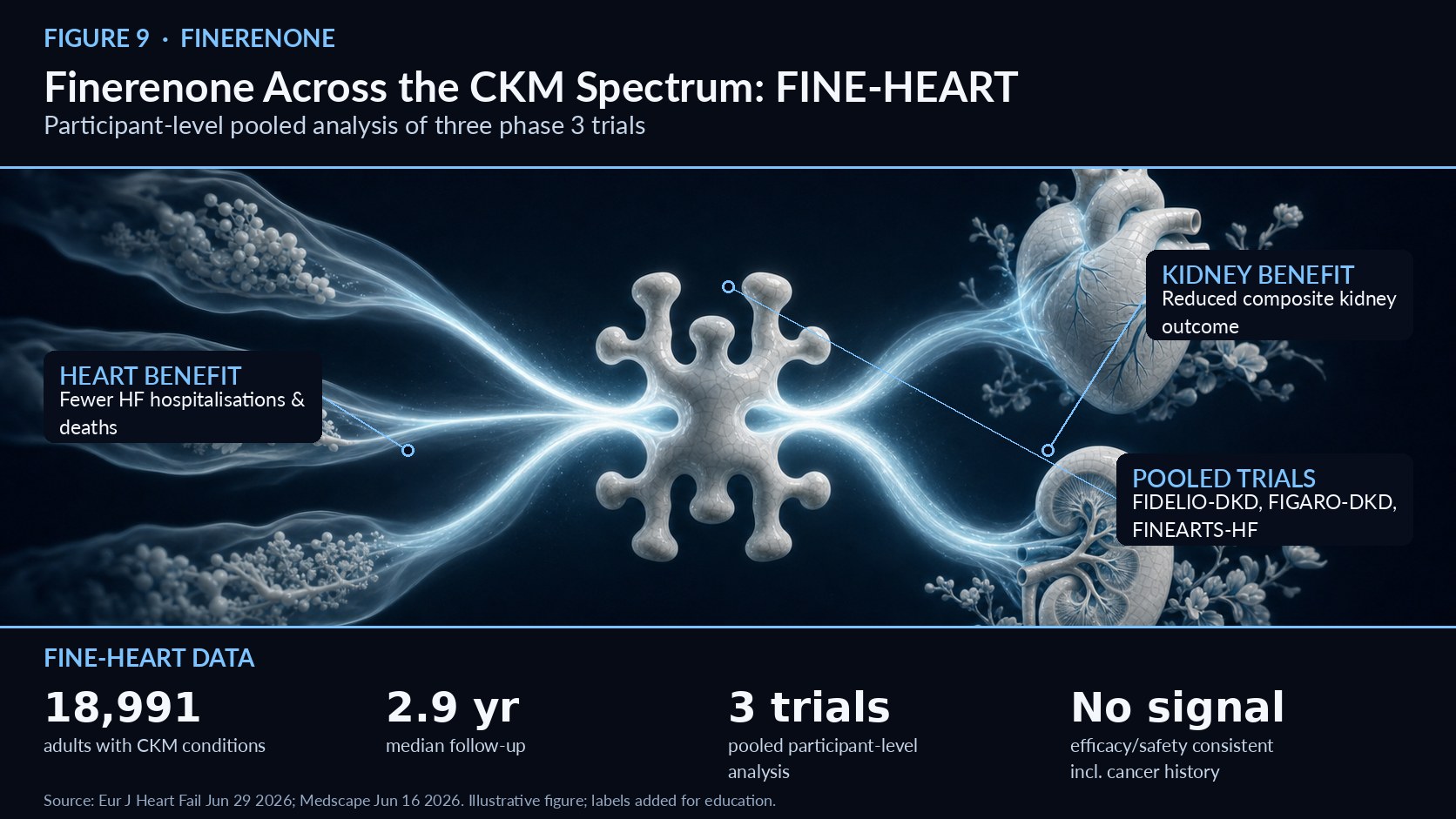
Finerenone Across the CKM Spectrum: FINE-HEART A participant-level pooled analysis of 18,991 adults with CKM conditions
Vol. 4 No. 9 (2029)Description
FINE‑HEART is a participant‑level pooled analysis of 18,991 adults drawn from three phase‑3 trials (FIDELIO‑DKD, FIGARO‑DKD, FINEARTS‑HF) that evaluates the effects of finerenone across the cardiovascular‑kidney‑metabolic (CKM) spectrum. Over a median 2.9 years, finerenone reduced all‑cause mortality, all‑cause and heart‑failure hospitalizations, the composite kidney outcome, and incidence of new‑onset atrial fibrillation, with consistent efficacy and safety in the 7.3% of participants who had a prior history of cancer. The analysis stratifies results by CKM stages, clarifying how benefits vary with disease severity and increasing confidence that a nonsteroidal mineralocorticoid receptor antagonist confers multiorgan protection. FINE‑HEART’s pooled design provides statistical power to detect less frequent events and supports guideline recommendations that position finerenone as an add‑on therapy for patients with persistent albuminuria and combined cardiorenal risk. The findings inform clinicians weighing finerenone for diverse CKM populations and administrators assessing its role in formularies and care pathways. -
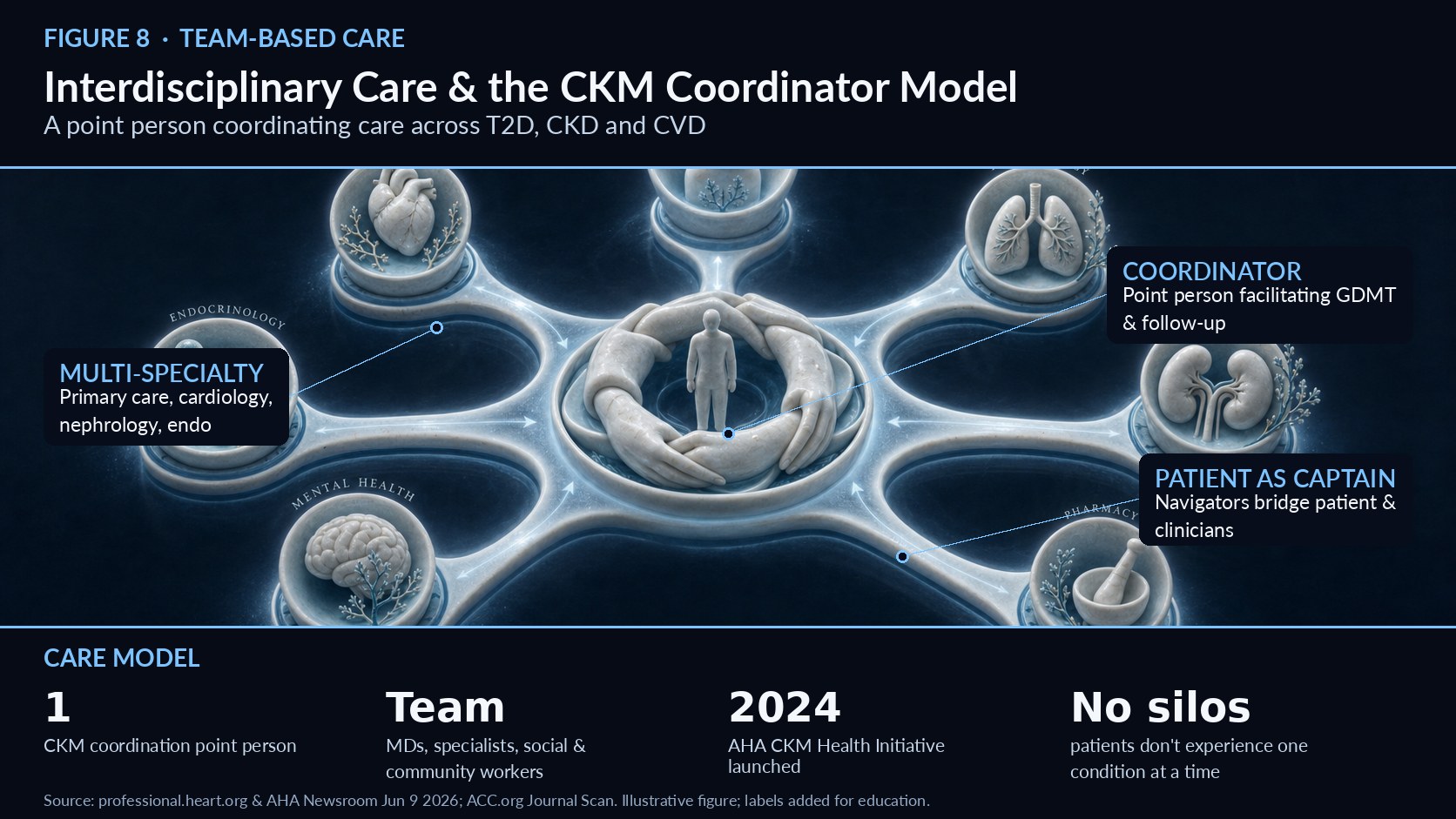
Interdisciplinary Care and the CKM Coordinator Model A named point person to break down clinical silos and drive guideline-directed therapy
Vol. 4 No. 8 (2026)Description
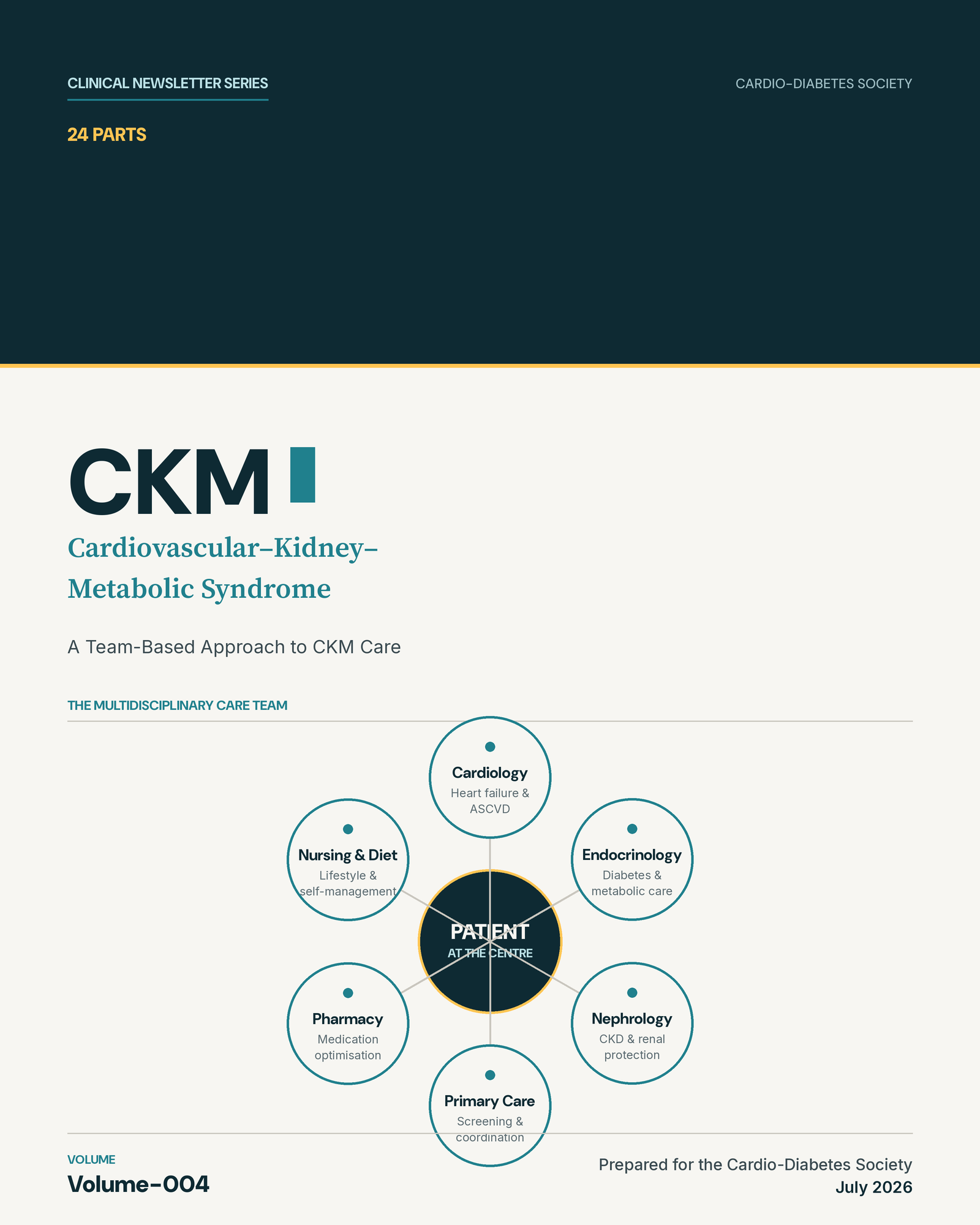
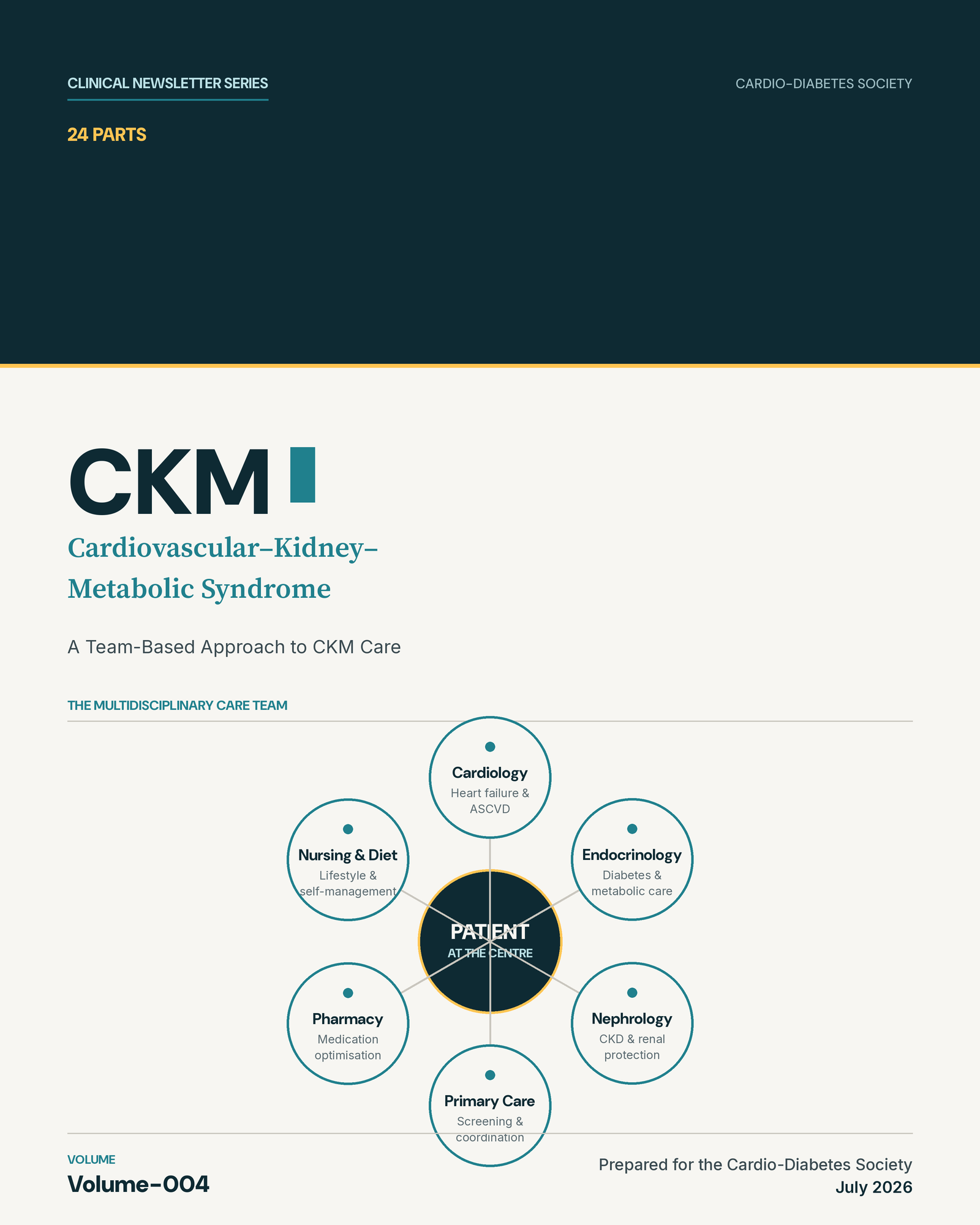
The 2026 CKM guideline formalizes interdisciplinary, team-based care for patients with overlapping cardiovascular, kidney, and metabolic disease, centering a named CKM coordinator to dismantle clinical silos and drive guideline-directed medical therapy (GDMT). The coordinator—often a nurse navigator, pharmacist, or care manager—serves as the single point of contact who schedules follow-up, reconciles medications, facilitates communication among cardiology, nephrology, endocrinology, primary care and community services, and supports patients with behavioral and social barriers. By assigning ownership for titration and monitoring, the model targets therapeutic inertia and reduces fragmentation that causes missed opportunities for organ-protective therapy. The guideline pairs this structural role with standardized care pathways addressing physical activity, nutrition, weight, blood pressure, glycemic control, and lipids, and recommends performance tracking for therapy receipt. For administrators, the model translates into defined staffing, shared workflows, and metrics; for clinicians, it creates a practical mechanism to deliver integrated, patient-centered CKM care. -
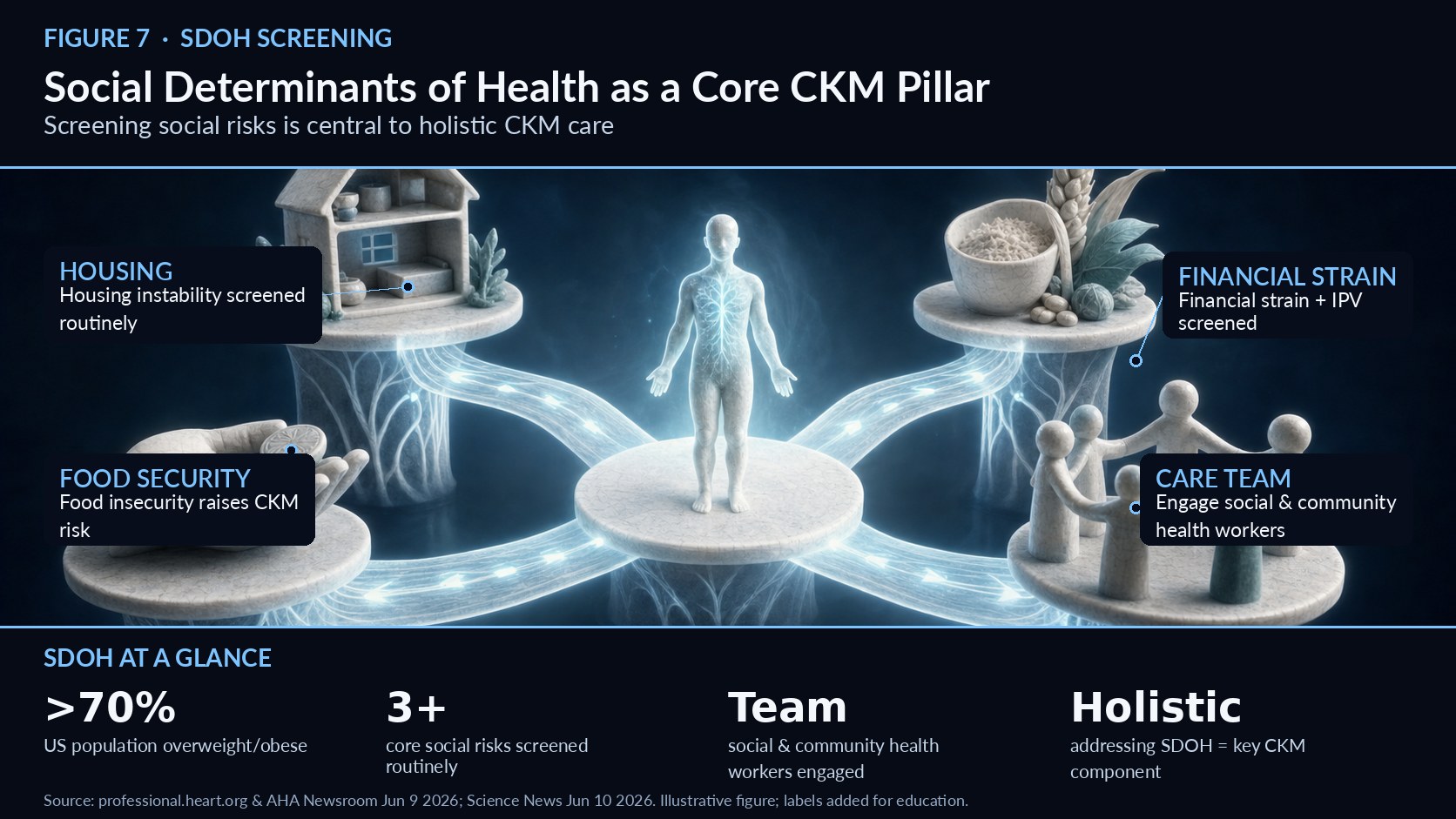
Screening Social Determinants of Health in CKM Food insecurity, housing instability and financial strain as core clinical variables
Vol. 4 No. 7 (2026)DescriptionThis newsletter highlights how the 2026 cardiovascular–kidney–metabolic (CKM) guideline moves social determinants of health (SDOH) from background context to a central clinical variable in routine care. It focuses on three priority domains—food insecurity, housing instability and financial strain—each recognised as independently increasing the risk of developing CKM syndrome and worsening outcomes once the syndrome is established. The piece also notes the guideline’s explicit inclusion of intimate partner violence and its directive to embed social workers and community health workers within multidisciplinary CKM teams.
Using an illustrative mechanism figure, the newsletter describes how adverse SDOH intersect with biological, behavioural and pharmacological pathways in obesity and CKM, in a population where overweight and obesity are highly prevalent. Clinically, it argues that brief, validated SDOH screening tools should be applied alongside standard tests such as eGFR and UACR, as identifying patients who cannot afford medications or food can alter management as profoundly as abnormal laboratory results. The description emphasises that systematic documentation of social risk supports both individualised treatment planning—through referral pathways and adherence support—and population-health strategies, including equitable allocation of limited specialist and pharmacologic resources.
-
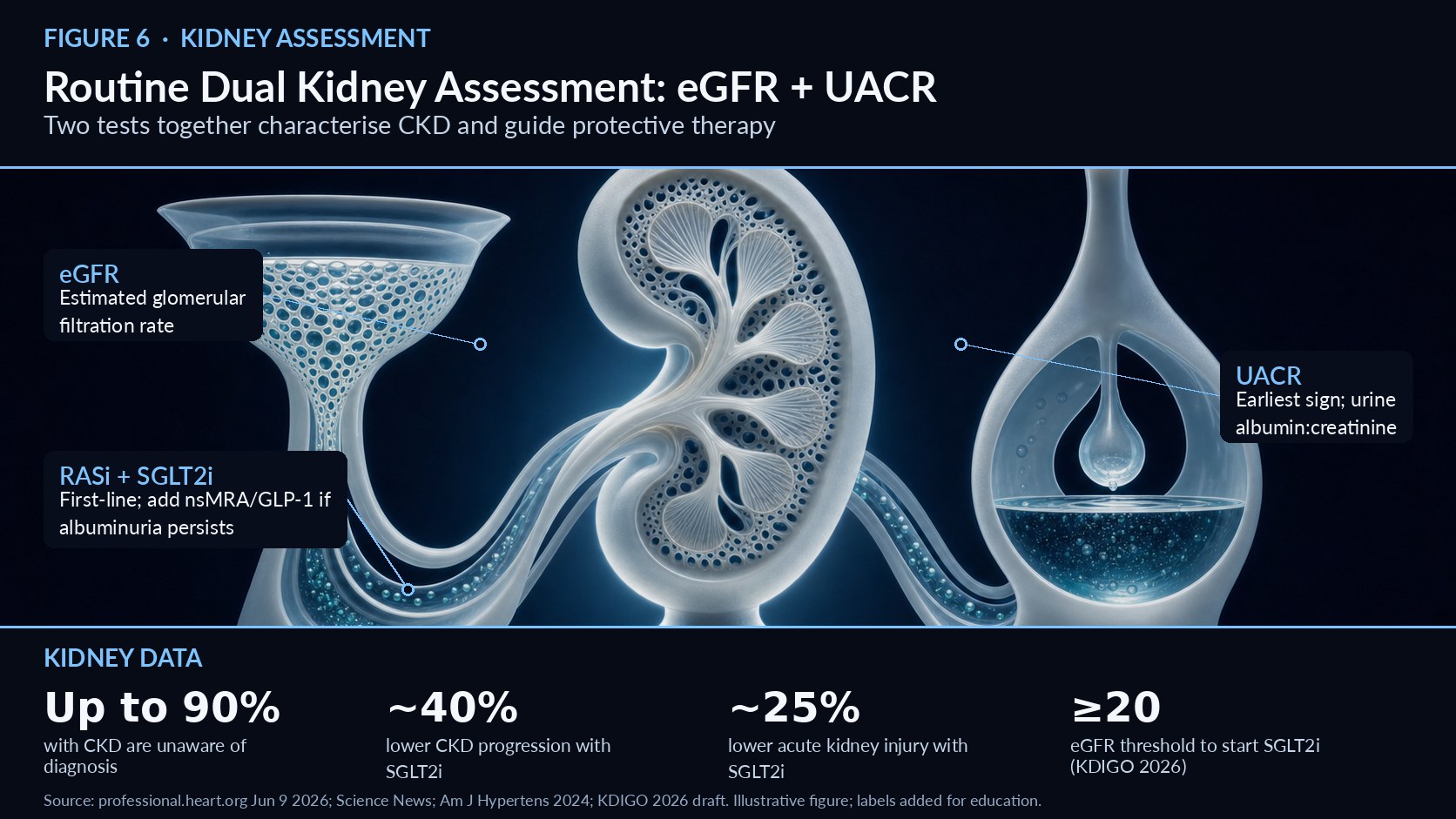
Routine Dual Kidney Assessment: eGFR + UACR Making albuminuria testing standard practice to catch CKM early
Vol. 4 No. 6 (2026)Description
This newsletter makes the case for routine dual kidney assessment—estimated glomerular filtration rate (eGFR) plus urine albumin‑to‑creatinine ratio (UACR)—as a standard practice to detect CKM early and trigger organ‑protective treatment. It explains why UACR complements eGFR by identifying early glomerular injury often missed by creatinine alone, summarises therapeutic implications (RAS inhibitors and SGLT2 inhibitors first‑line; add nonsteroidal MRAs or GLP‑1 therapy if albuminuria persists), and offers a practical systems-level recommendation: embed automatic UACR orders with diabetic and hypertensive creatinine panels to close the CKD detection gap and enable timely intervention. -
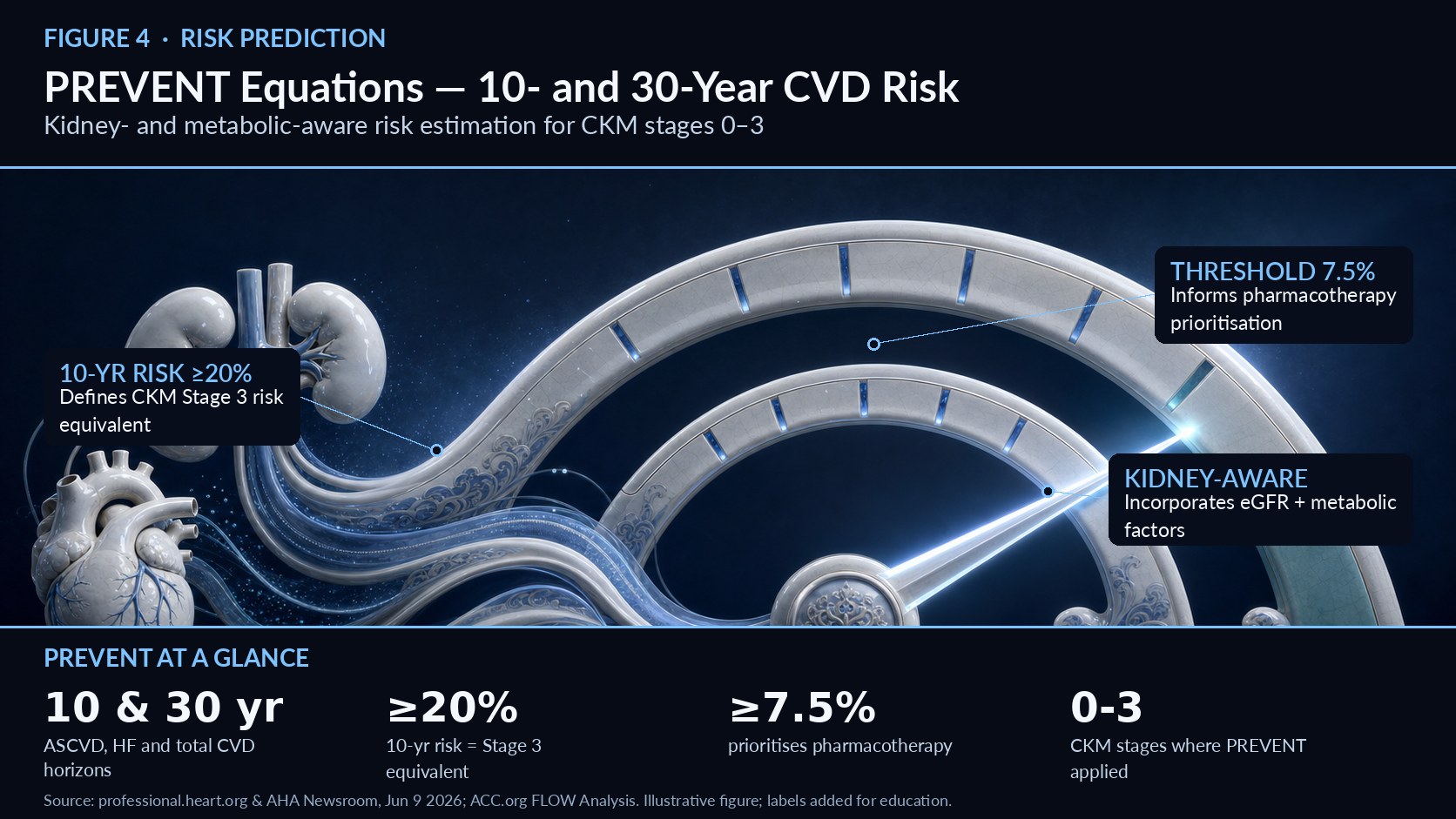
PREVENT Equations: 10- and 30-Year CVD Risk in CKM A kidney- and metabolism-aware risk engine that drives staging and treatment thresholds
Vol. 4 No. 4 (2026)Description
This newsletter explains the PREVENT (Predicting Risk of cardiovascular disease EVENTs) equations introduced in the 2026 CKM Guideline. PREVENT provides 10‑ and 30‑year risk estimates for atherosclerotic cardiovascular disease, heart failure, and total cardiovascular disease, incorporating kidney (eGFR, UACR) and metabolic (HbA1c) variables alongside traditional risk factors. The item outlines the two clinical thresholds (10‑year risk ≥20% defining CKM Stage 3; ≥7.5% informing pharmacotherapy prioritisation), describes how to combine predicted risk with expected treatment benefit, and highlights PREVENT’s use in trial design and clinical decision-making to better stratify patients and justify therapy escalation. -
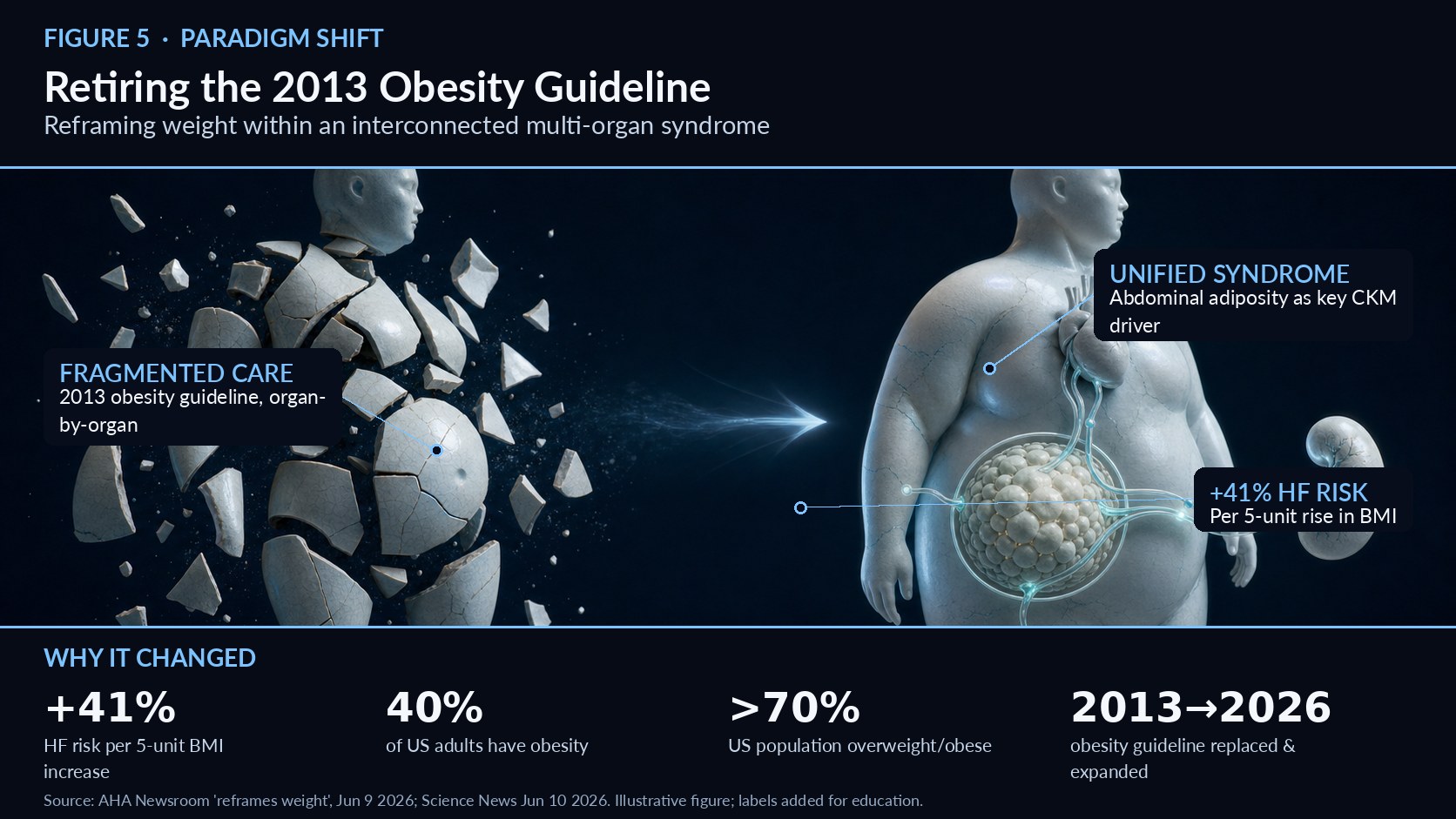
Why the 2013 Obesity Guideline Was Retired A paradigm shift from weight-as-number to weight-as-driver in a multi-organ syndrome
Vol. 4 No. 5 (2026)Description
This newsletter explains why the 2013 obesity guideline was retired and replaced by the 2026 CKM Guideline’s reframing of adiposity as a modifiable driver of cardiovascular, kidney, and metabolic disease. It summarises the conceptual shift from treating weight as an isolated number to assessing abdominal adiposity (waist circumference) alongside BMI, highlights epidemiologic and outcome data linking excess weight to heart, kidney, and stroke risk, and outlines the guideline’s practical recommendations: integrate waist measurement into risk assessment, prioritise lifestyle intervention plus evidence‑based obesity pharmacotherapy, consider metabolic/bariatric surgery when indicated, and use patient‑centred, non‑stigmatizing communication. -
Top 10 Take-Home Messages of the 2026 CKM Guideline From staging and PREVENT risk to guideline-directed therapy across the spectrum
Vol. 4 No. 3 (2026)Description
This newsletter summarises the "Top Things to Know" companion to the 2026 CKM Guideline into a practical, clinic-ready brief. It highlights the guideline’s ten actionable messages that map onto a care workflow—stage, predict (PREVENT), assess, coordinate, and treat—covering CKM staging across ages, long‑horizon risk estimation, systematic metabolic and kidney evaluation, social‑determinants screening, interdisciplinary coordination, obesity reframing and treatments, and organ‑protective pharmacotherapy for type 2 diabetes, CKD, ASCVD, and heart failure. The piece explains how these messages convert directly into order sets, dashboards, and quality metrics to close the gap between publication and bedside implementation. -
The Four-Stage CKM Staging System (0–4) Staging youths and adults to prevent progression and tailor therapy to risk
Vol. 4 No. 2 (2026)DescriptionThis section explains the four-stage CKM staging system introduced in the 2026 guideline, showing how patients progress from no risk factors to overt cardiovascular disease. It highlights the clinical purpose of staging in youths and adults: early prevention, risk-based therapy, and possible regression through lifestyle change and weight loss. The framework offers a practical way to guide treatment intensity, allocate multidisciplinary care, and track outcomes across the cardiometabolic continuum.
-
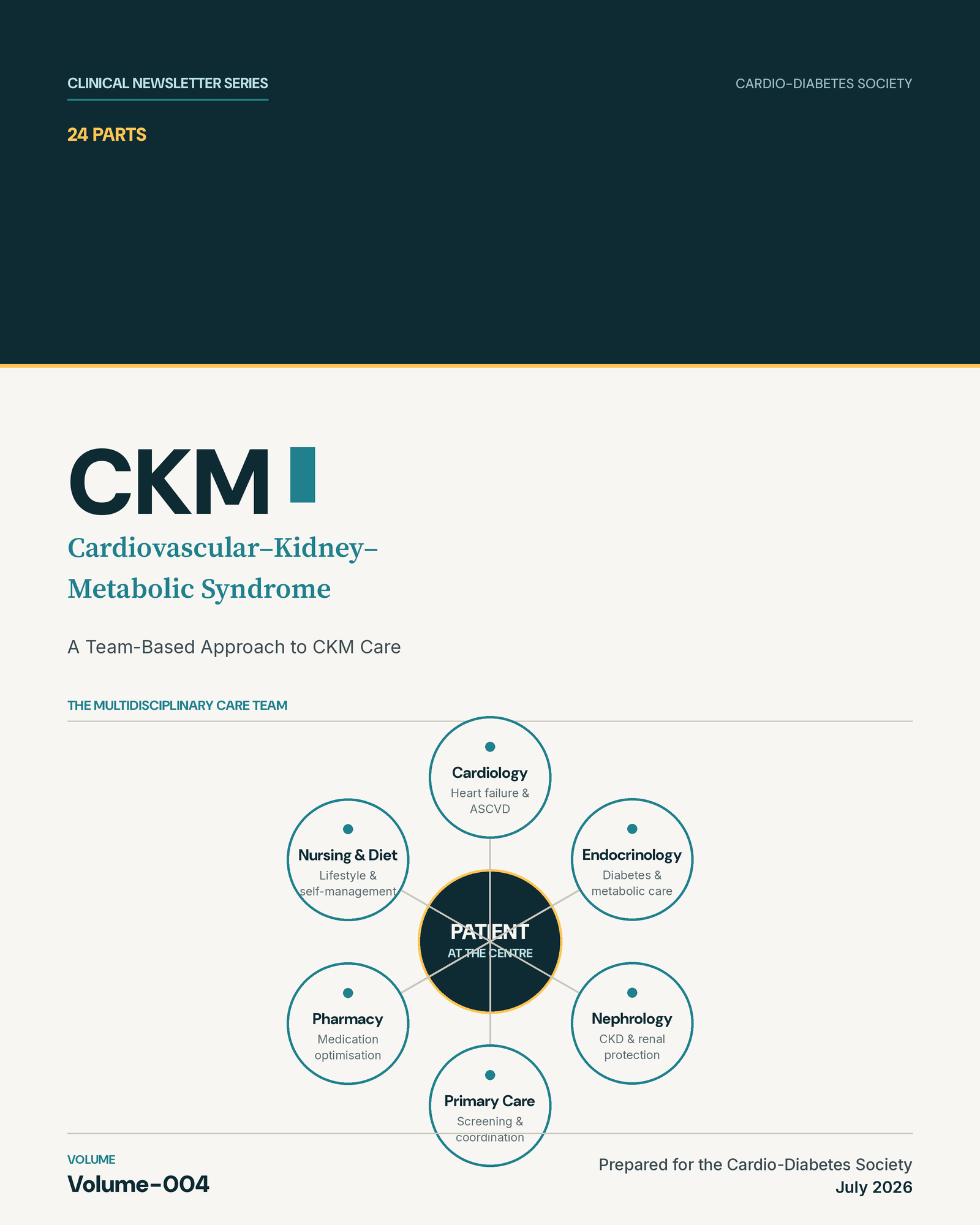
The First-Ever 2026 CKM Syndrome Guideline
Vol. 4 No. 1 (2026)DescriptionThis newsletter summarizes the first-ever 2026 CKM syndrome guideline, a landmark cross-specialty framework jointly developed by the AHA, ACC, ADA, and ASN. It explains how cardiovascular, kidney, and metabolic diseases are linked through shared biology, why earlier screening and staging are now emphasized, and how the guideline shifts practice away from isolated organ-based care toward coordinated prevention and treatment. The article also highlights its relevance for India, where late diagnosis and high cardiometabolic burden make a unified clinical approach especially important.